What is the VIC1530A working area?
1500*3000mm. It describes the listed work area, not the complete machine envelope or a footprint including material handling.

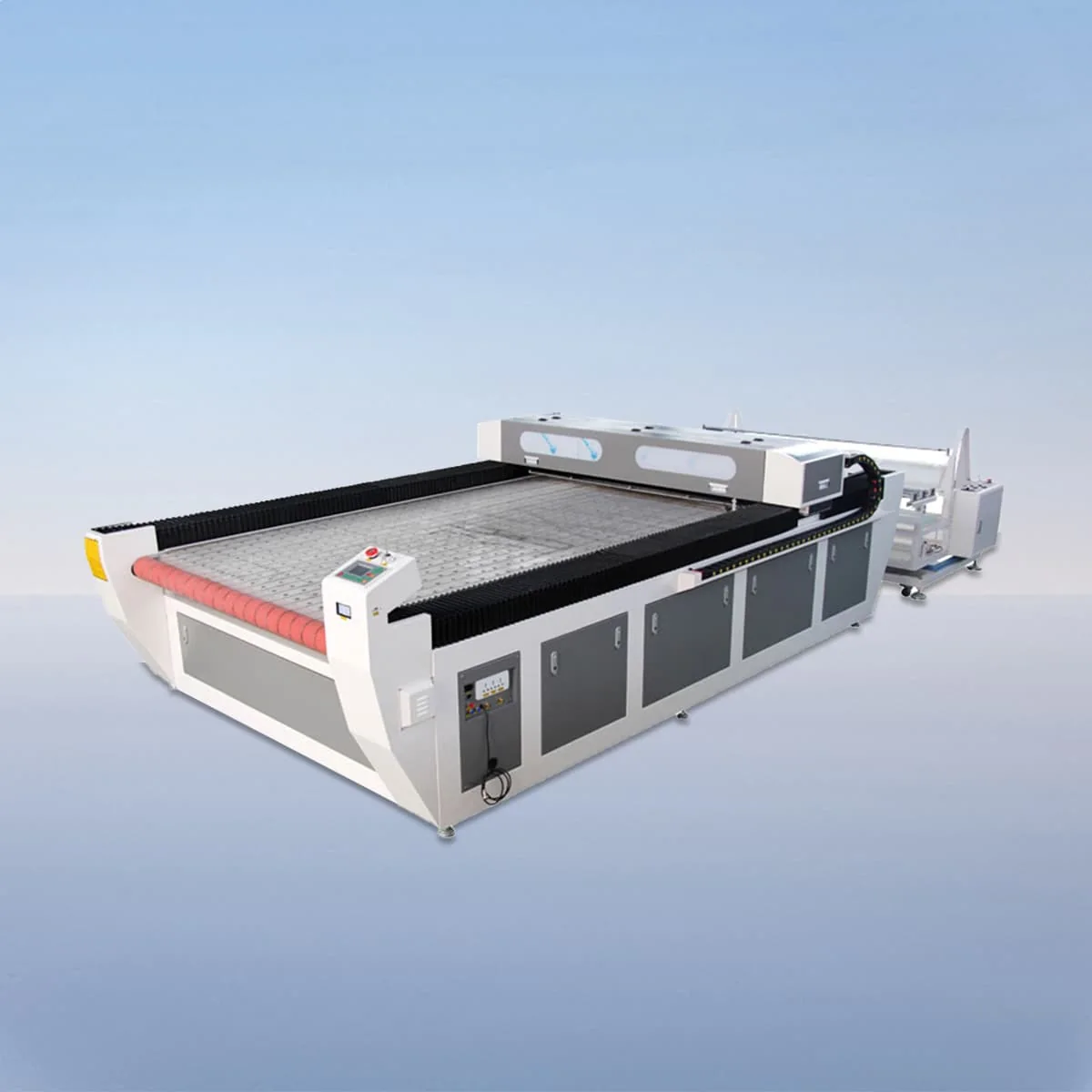
Laser Cutting Machine
VIC1530A lists a 1500*3000mm working area in the VIC-A automatic-feeding CO2 laser cutting range. Its shared power entry is 80-600W, and the working surface can be specified as knife or honeycomb. The automatic feeding device is described as moving workpieces or material into the cutting area.
VIC1325A offers the adjacent published area of 1300*2500mm. Both dimensions change in that comparison. If the larger layout is central to your request, include it with the model name and distinguish the working-area requirement from the overall space needed for the proposed machine and material handling.
| Specification | VIC1530A |
|---|---|
| Working Area | 1500*3000mm |
| Laser Type | CO2 Laser |
| Working Table | Knife Table or Honeycomb Table |
| Laser Power | 80-600W |
| Power Supply | 220V/50HZ, 110V/60HZ |
| Min Line Width | ≤0.15mm |
| Position Accuracy | 0.01mm |
| Repetition Accuracy | 0.02mm |
| Cutting Speed | 150mm/s |
| Control System | Ruida (USB Interface) |
| Graphic Format Support | PLT, DXF, BMP, JPG, AI, etc |
Configuration options vary by model. Confirm the final specification, selected components and operating requirements with your quotation.
The VIC1530A working area gives 1500mm and 3000mm as its two dimensions. Show the complete starting material and the proposed arrangement of parts rather than only the largest finished piece. For a mixed workload, identify which layout determines this model choice and which other drawings also need to be considered.
The feeding device moves material into the cutting zone in the VIC-A description. That function does not supply the overall machine footprint, a feed-length value or the space needed for the rest of your intended workflow. Ask for those details with the proposed configuration before treating the area entry as an installation plan.
The published structure includes a CO2 cutting head and tube, linear guides, stepper motors and belt drive. Ask the supplier to identify the offered component specifications with the selected power and feeding arrangement. Keeping the choices together helps prevent a later revision to the proposal from leaving the original configuration assumptions unclear.
VIC-A is positioned for non-metallic work, with acrylic, wood, leather and plastic named as examples. Its described uses include signage, packaging and textiles. Provide your actual material specification, thickness and required result when asking about a configuration; general application names are not a record of demonstrated performance on your work.
Imagine a proposed installation where incoming material and finished pieces follow different routes. Send the intended work layout and a separate sketch showing those routes. Describe how material will be presented for feeding and how you expect finished work to be removed. Ask which equipment the offer includes and which handling tasks remain outside the supplied scope.
The table lists Knife Table or Honeycomb Table. Aluminum blades are described for the knife option. State the preferred surface or ask for advice for the proposed material, and have the chosen table identified in the offer. Avoid comparing quotations that leave different table choices unresolved under the same VIC1530A model name.
The Ruida controller has a listed USB interface. Graphic formats include PLT, DXF, BMP, JPG and AI. Send a representative file with the drawing revision, units and scale identified. Explain which file shows the individual part and which shows the complete arrangement when both are relevant to the feeding discussion.
The electrical alternatives are 220V/50HZ and 110V/60HZ; provide the available destination supply and request the offered version. The table also gives ≤0.15mm Min Line Width, 0.01mm Position Accuracy and 0.02mm Repetition Accuracy. These equipment fields should remain separate from the finished-part requirements marked on your drawing.
1500*3000mm. It describes the listed work area, not the complete machine envelope or a footprint including material handling.
The series device moves material or workpieces into the cutting area. Confirm how the proposed arrangement applies to your stock and intended workflow.
The published range is 80-600W. Have the quotation identify the selected rating and equipment configuration for the application discussion.
150mm/s is the catalog Cutting Speed entry. It does not provide a demonstrated production cycle including your feeding, cutting and collection sequence.
Provide the intended location, electrical supply, material routes and layout requirements. Request the overall equipment dimensions and a defined scope for the proposed handling arrangement.
Share your material, dimensions and process. Start a conversation about the right configuration.