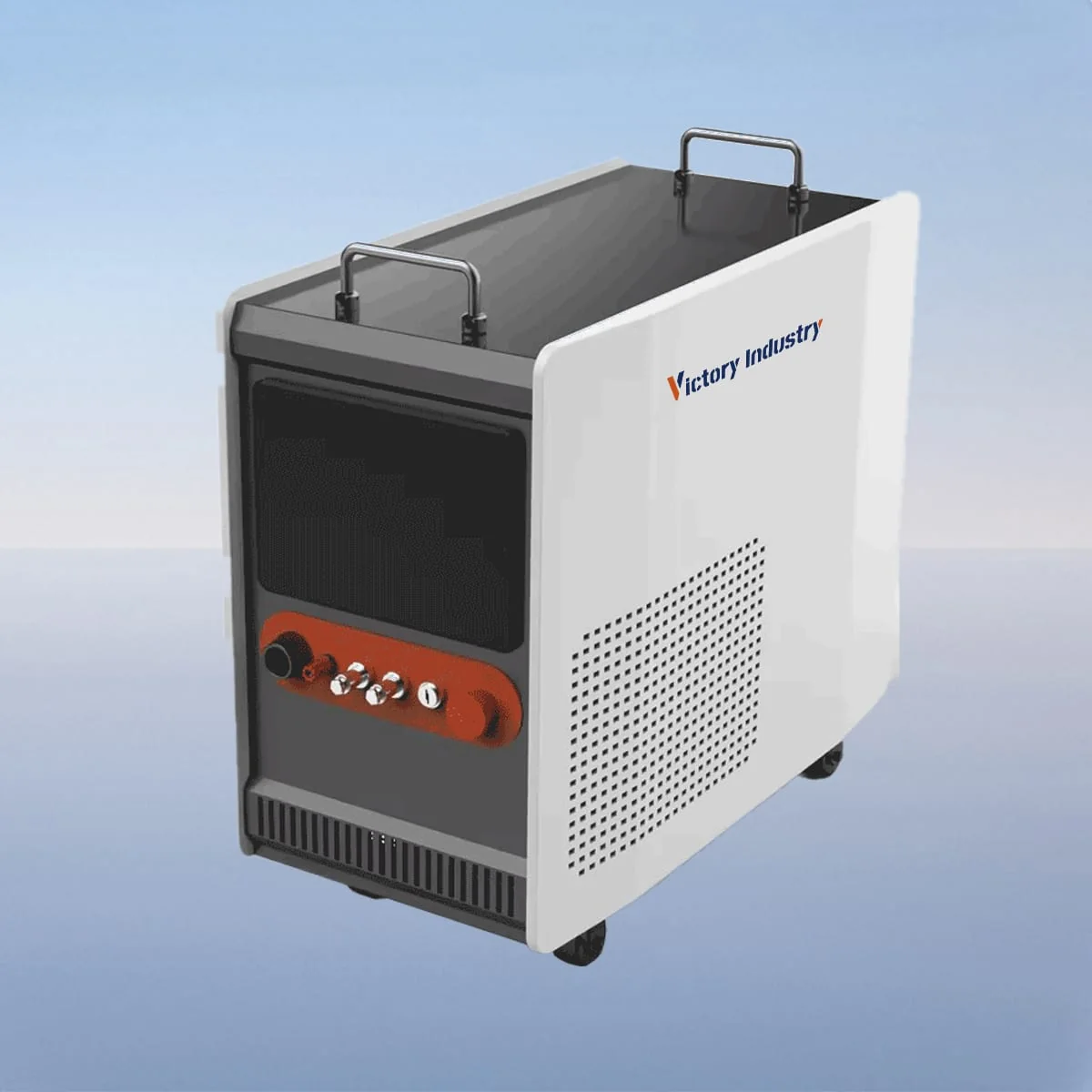
VIW-A Laser Welding Machine
Laser Welding Machine
- Laser Power
- 1500W / 2000W / 3000W
- Laser Wave Length
- 1080nm

Explore this handheld laser welding machine guide. Compare model specifications and configuration options, then prepare the requirements for your equipment enquiry.
Laser Welding Machine
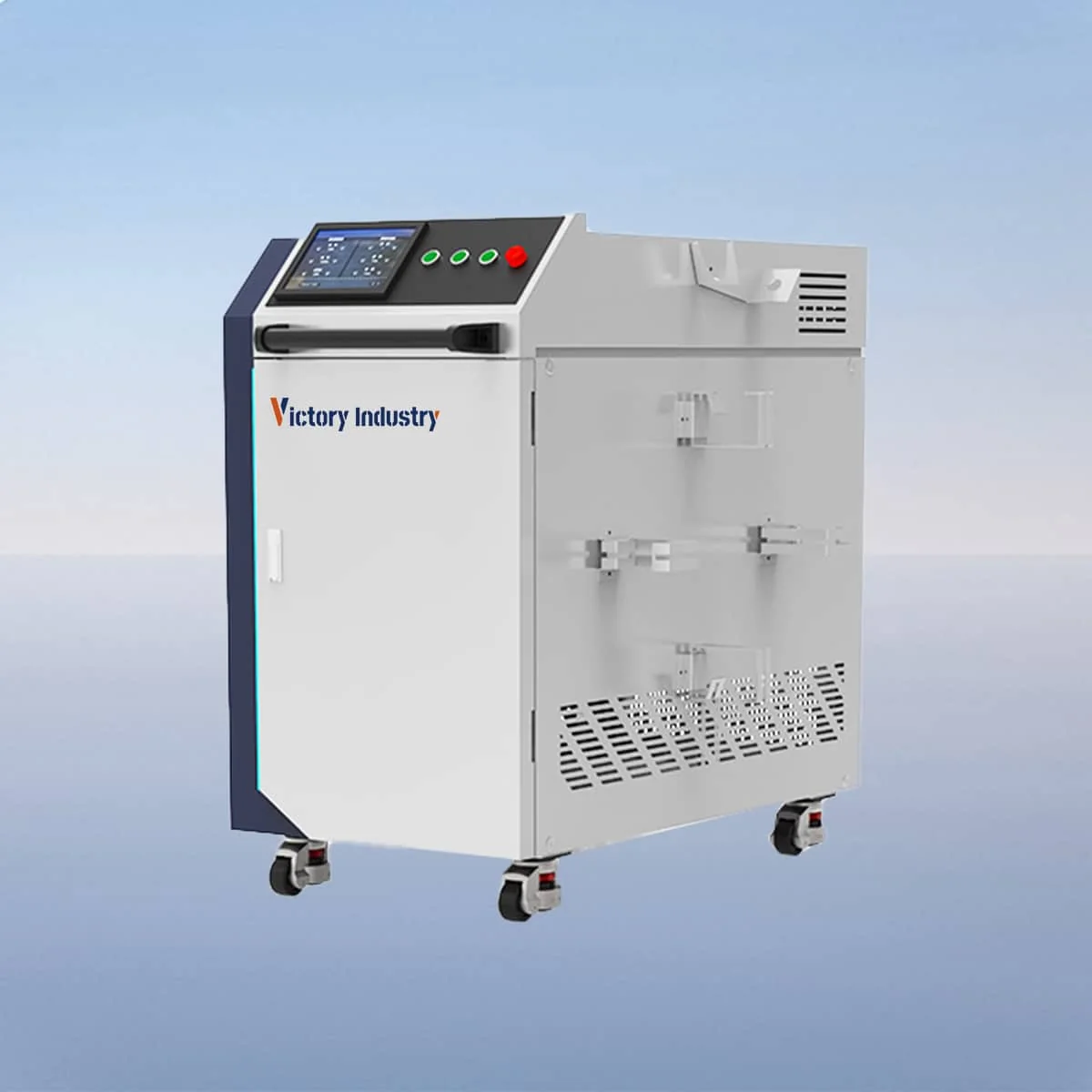
Laser Welding Machine
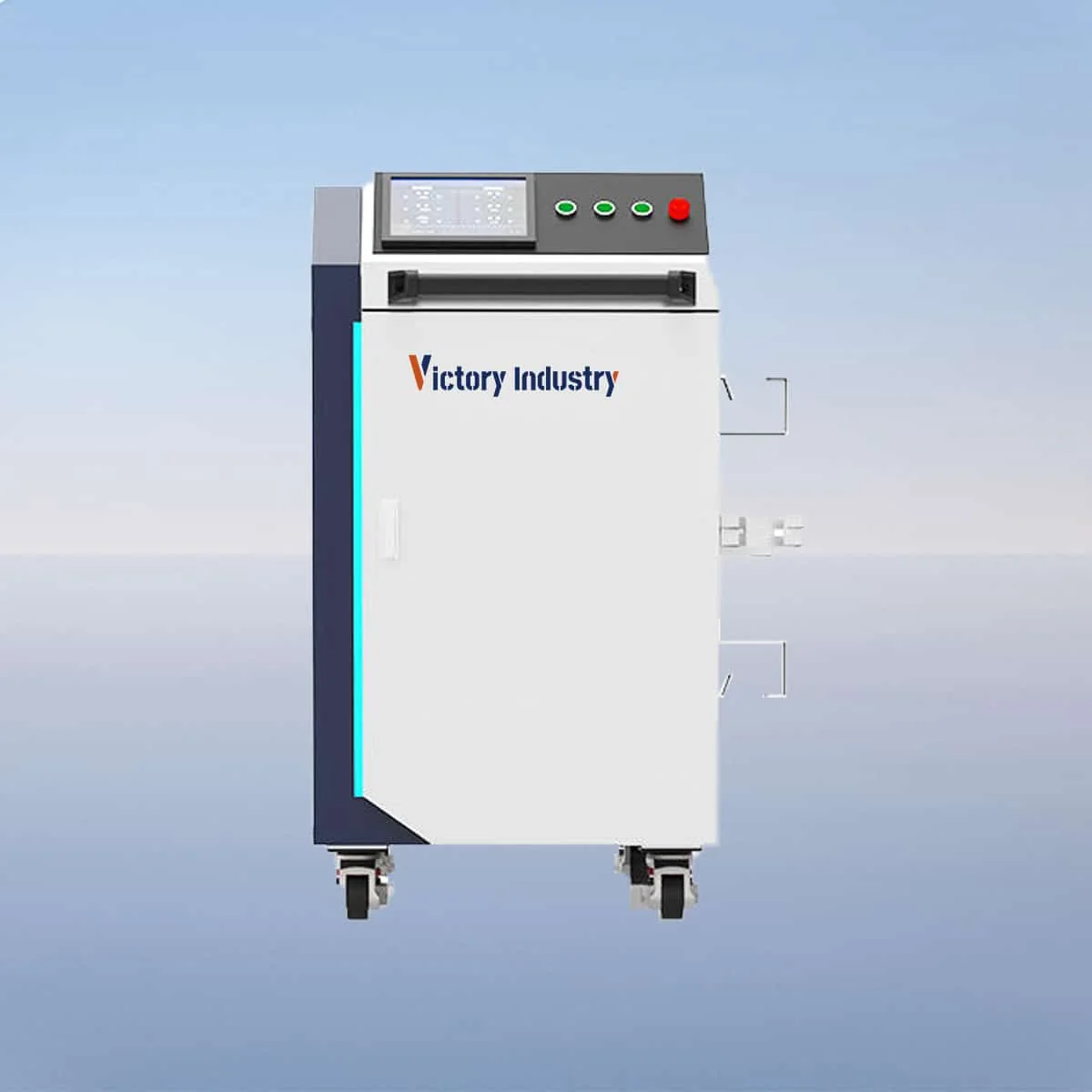
Laser Welding Machine
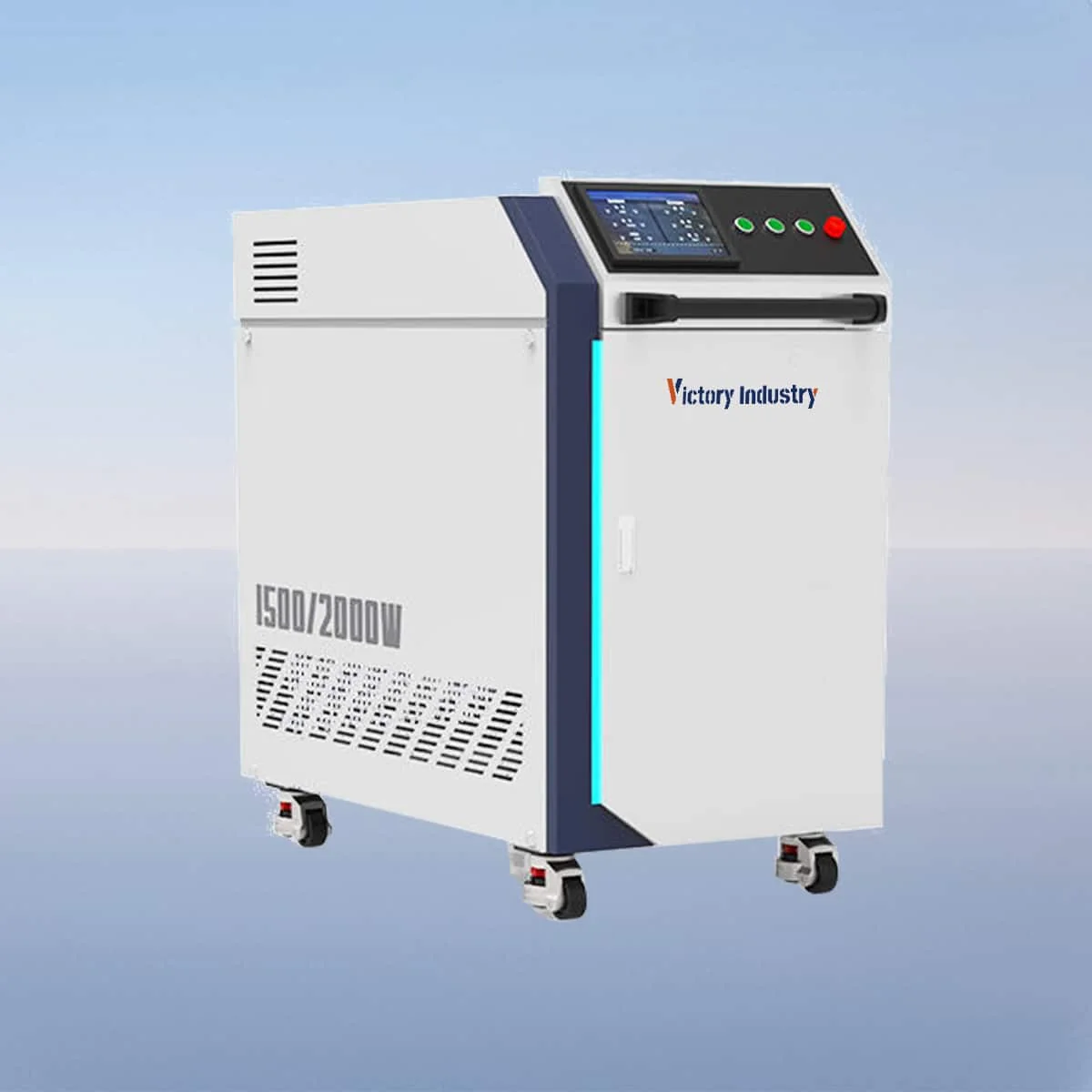
Laser Welding Machine
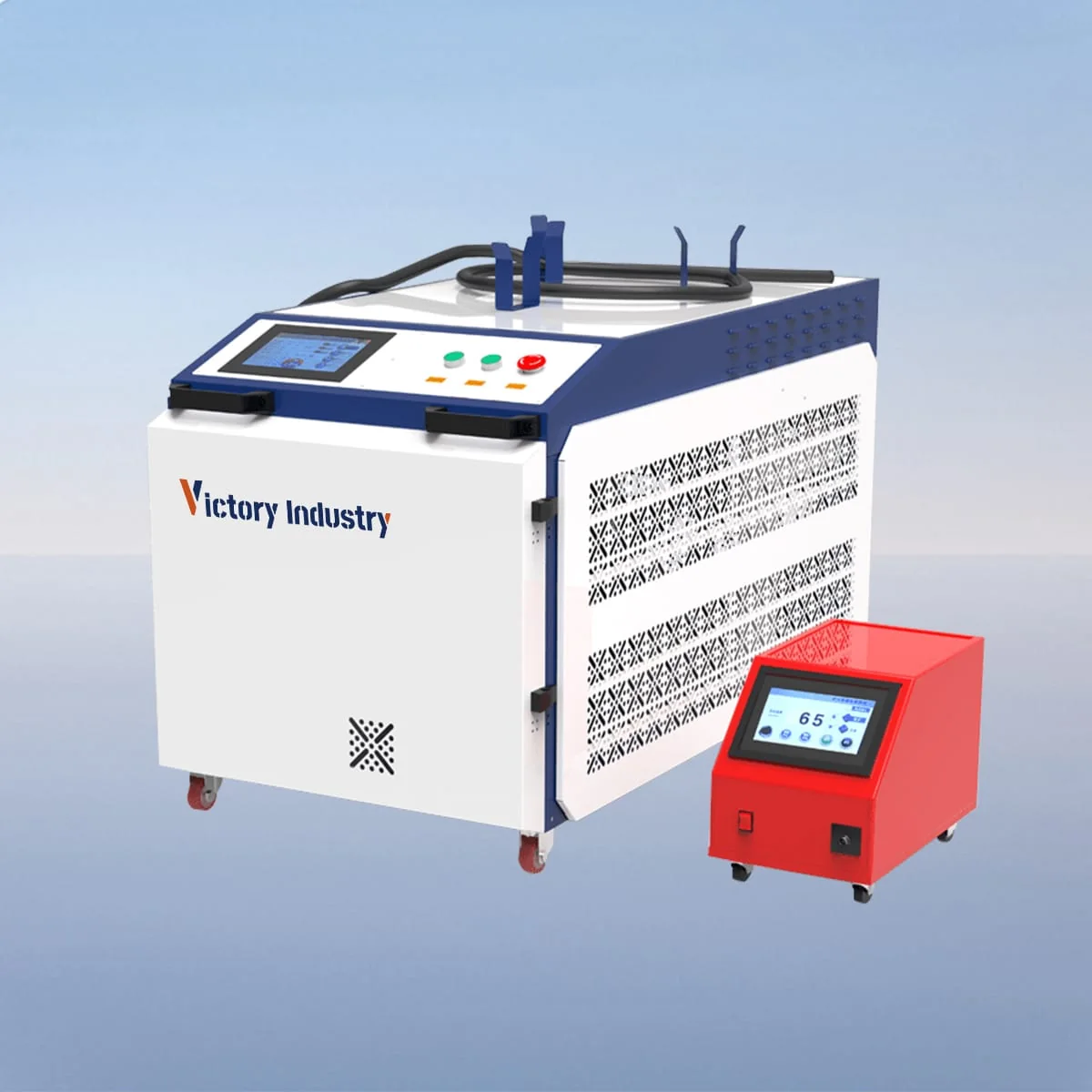
Laser Welding Machine
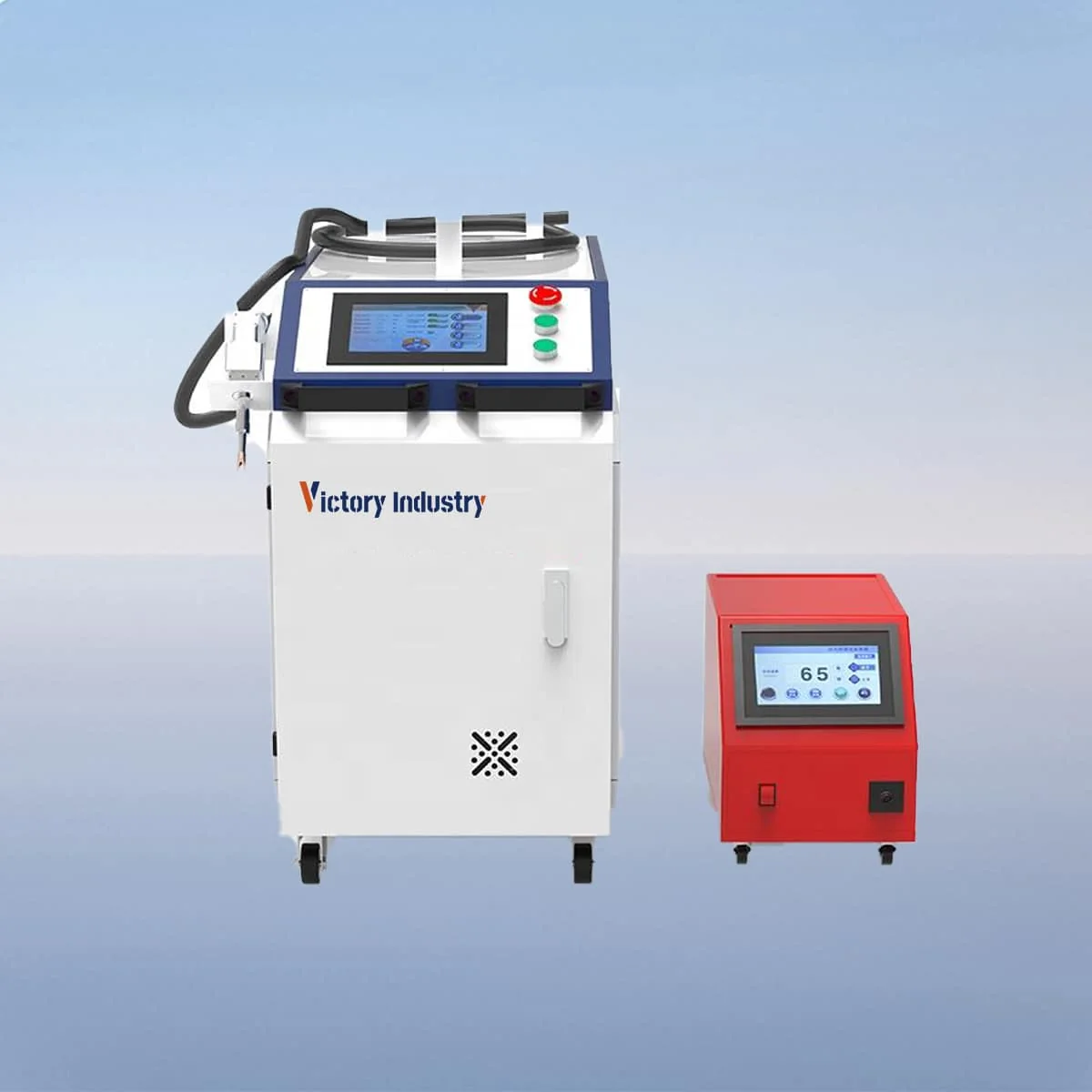
Laser Welding Machine
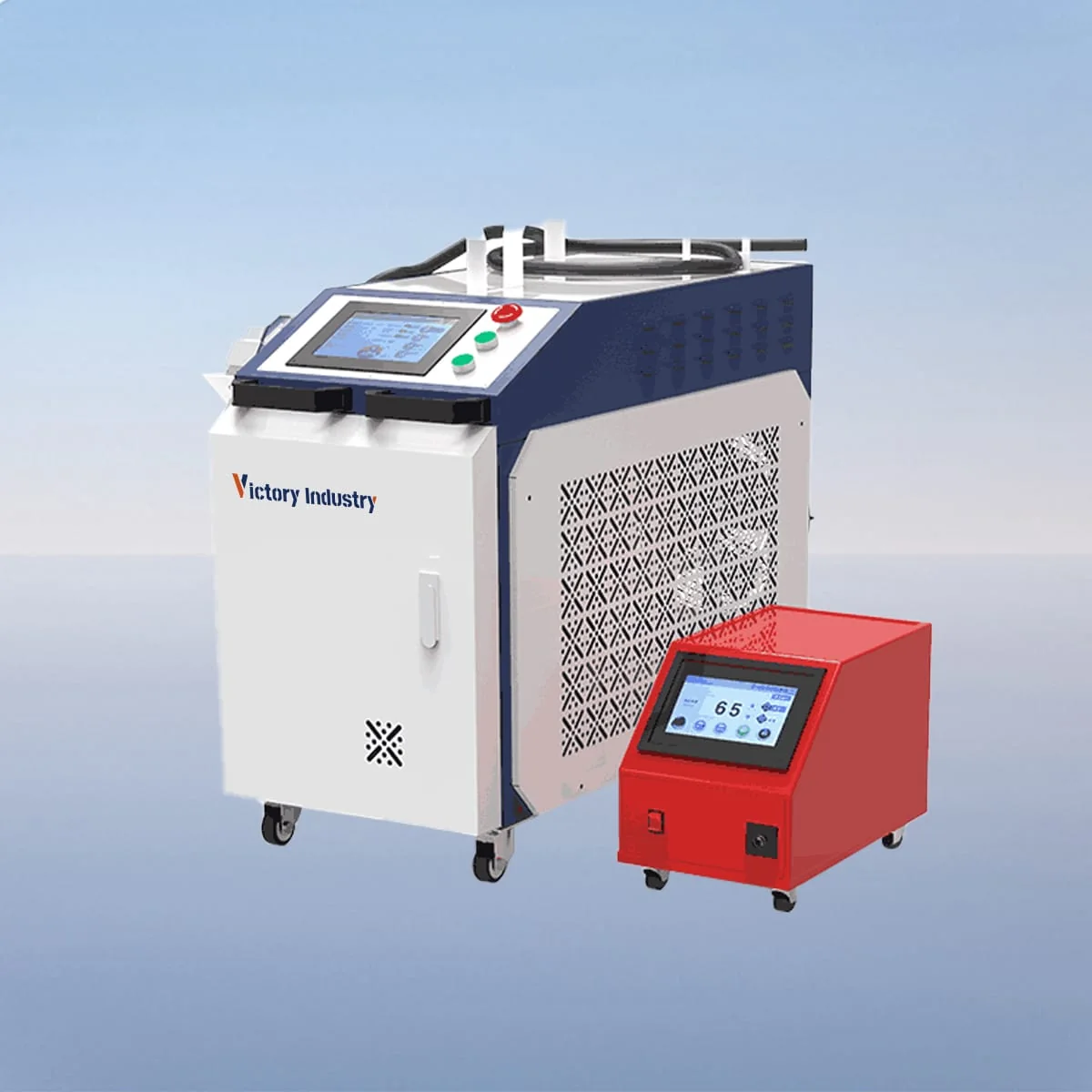
Laser Welding Machine
The handheld laser welding machine directory contains VIW, VIW-A, VIW-D, VIW-F, VIW-P, VIW-S and VIW-T. Keep these seven series names separate when building your shortlist. Each has its own model designations, even where power and component options repeat. An enquiry for VIW2000 should not quietly become an enquiry for VIW2000A because both contain the same number.
Start with the work you want an operator to perform and the position of the parts during welding. Then identify the series whose configuration you want to discuss. The cards above provide the product routes; this guide explains how to compare their published fields while leaving application results and unresolved configuration details attached to the specific machine under consideration.
Open the VIW series →Open the VIW-A series →The seven series list 1500W, 2000W and 3000W models at 1080nm. VIW1500, VIW2000 and VIW3000 are the models in VIW; the other series retain their own suffixes. The tables list Raycus, JPT, IPG and Max as laser-source options. Name the requested source as well as the power when asking for a configuration-specific proposal.
Several models can therefore share a nominal power without being interchangeable purchases. The table does not say that the highest power is the appropriate choice for every joint, or establish a tested thickness for your material. Put the material specification, thickness, joint shape and intended result alongside the model name so the power selection is discussed in the context of the actual work.
When contacting a handheld laser welding machine supplier, separate the base machine from the selected source, fiber configuration and any accessories you require. The published fiber entry distinguishes standard 10m from maximum support 20m. Ask which configuration is quoted for your proposed arrangement. Maximum support should not be copied into an equipment list as though it were the standard supplied length.
VIW, VIW-D, VIW-F, VIW-P, VIW-S and VIW-T list water cooling in their published tables. Do not transfer that field to VIW-A; request its configuration directly. A comparison sheet should show the cooling description actually offered for each candidate. This keeps a missing or unresolved specification visible instead of replacing it with a neighboring series value.
Provide a drawing showing the joint, material specification and thickness, together with photographs that explain access. State whether the part is positioned on a bench, held in a fixture or approached in another arrangement. If you are considering work on a large assembly, describe where the operator would stand and which areas need to be reached. These are requirements for review, not a claim that every location is accessible.
Keep the expected joint result separate from the handling description. Ask what sample and inspection information would be needed to assess the proposed task. If several joints or part families are involved, identify which are representative and which introduce different requirements. Do not apply a result from one unspecified sample to every material and joint you expect the operator to weld.
Victory Industry is based in Jinan, China. For a China handheld laser welding machine enquiry, bring the shortlisted series and the same drawing package into one request. Identify the requested power, source and fiber configuration, and include any cooling questions still open. The resulting proposal should make clear which equipment is being discussed and which application assumptions require further confirmation.
Add the installation destination and describe the proposed working area. Ask what installation information and operator instruction would be needed for the selected configuration. If different operators or shifts will use the equipment, explain that as a training requirement. It does not establish a staffing reduction, training duration or productivity outcome. Those are different questions from the machine identity and its published parameter fields.
A practical comparison records the complete model, power, selected source, fiber length, cooling description and separately quoted accessories. Attach the same joint drawings and sample requirements to each candidate so the discussion stays comparable. Keep any change of part, material or configuration visible rather than treating a later offer as equivalent to the first simply because the power number has not changed.
Use the other series pages to examine the candidates you still want considered, then send the shortlist through the contact page. Ask the proposal to distinguish included equipment, optional items and the support scope requested for your location. Save the drawing revision and unresolved questions with the quotation. This gives the purchasing and production teams a shared description of what remains to be confirmed.
Review VIW-D →Review VIW-P →Discuss handheld welding equipment →The seven listed series are VIW, VIW-A, VIW-D, VIW-F, VIW-P, VIW-S and VIW-T. Keep the series suffix with every model name in your comparison.
The power rating alone does not establish a tested thickness or joint result. Provide the material specification, thickness, joint drawing and acceptance requirements for assessment.
The published entry distinguishes standard 10m from maximum support 20m. Confirm the specific fiber configuration included in your quotation.
No. The water-cooling entries cited here belong to VIW, VIW-D, VIW-F, VIW-P, VIW-S and VIW-T. Request the VIW-A cooling configuration directly rather than transferring another series specification.
Show the joint and dimensions, identify material and thickness, and explain how the operator will approach the part. Include any fixture details and the result you want assessed on a representative sample.
Share your material, dimensions and process. Start a conversation about the right configuration.