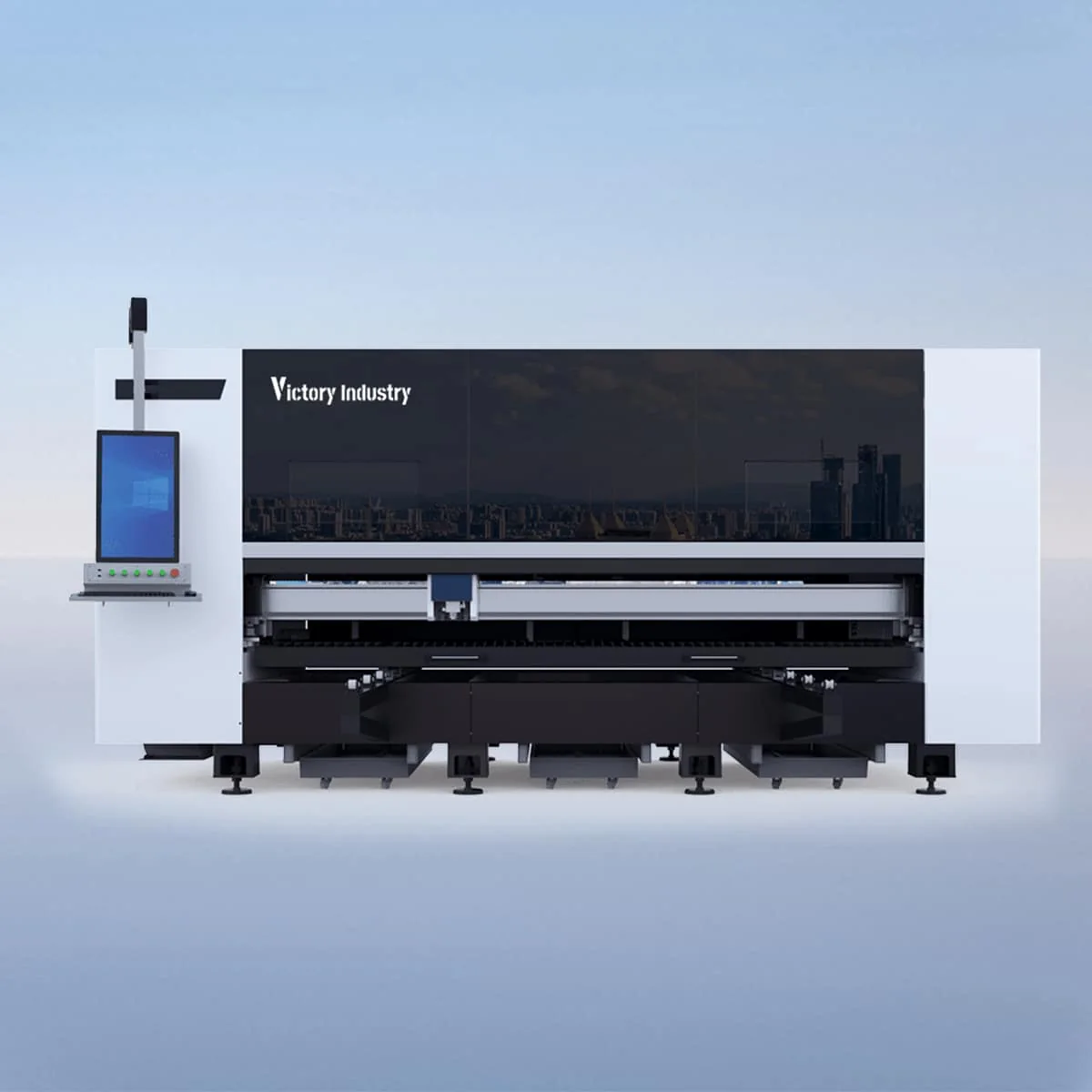
VIB Laser Cutting Machine
Sheet Laser Cutting Machine
- Cutting Area
- 3000*1500mm / 4000*1500mm / 4000*2000mm / 6000*1500mm / 6000*2500mm
- Laser Power
- 1500-20000W

Explore this sheet laser cutting machine guide. Compare model specifications and configuration options, then prepare the requirements for your equipment enquiry.
Sheet Laser Cutting Machine
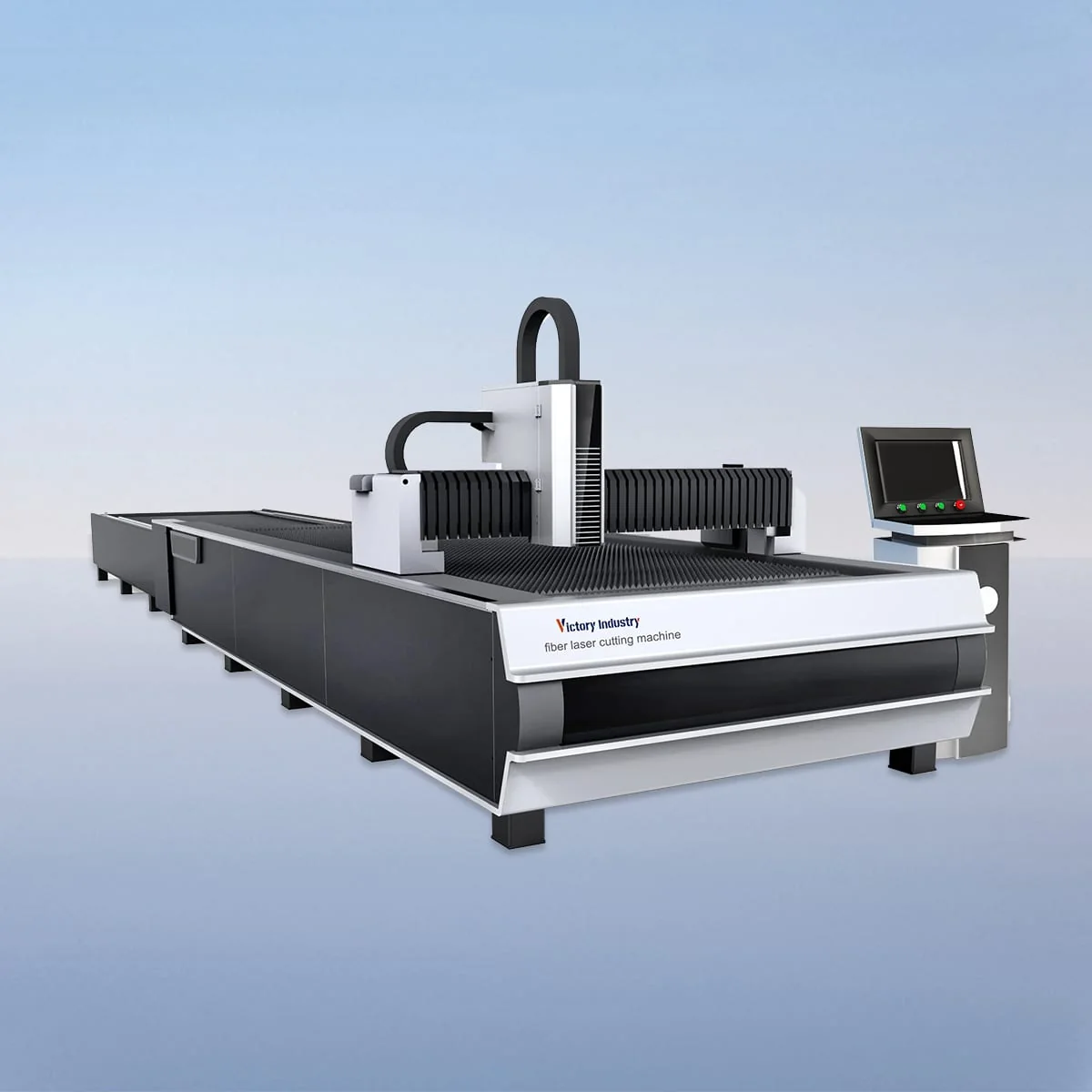
Sheet Laser Cutting Machine
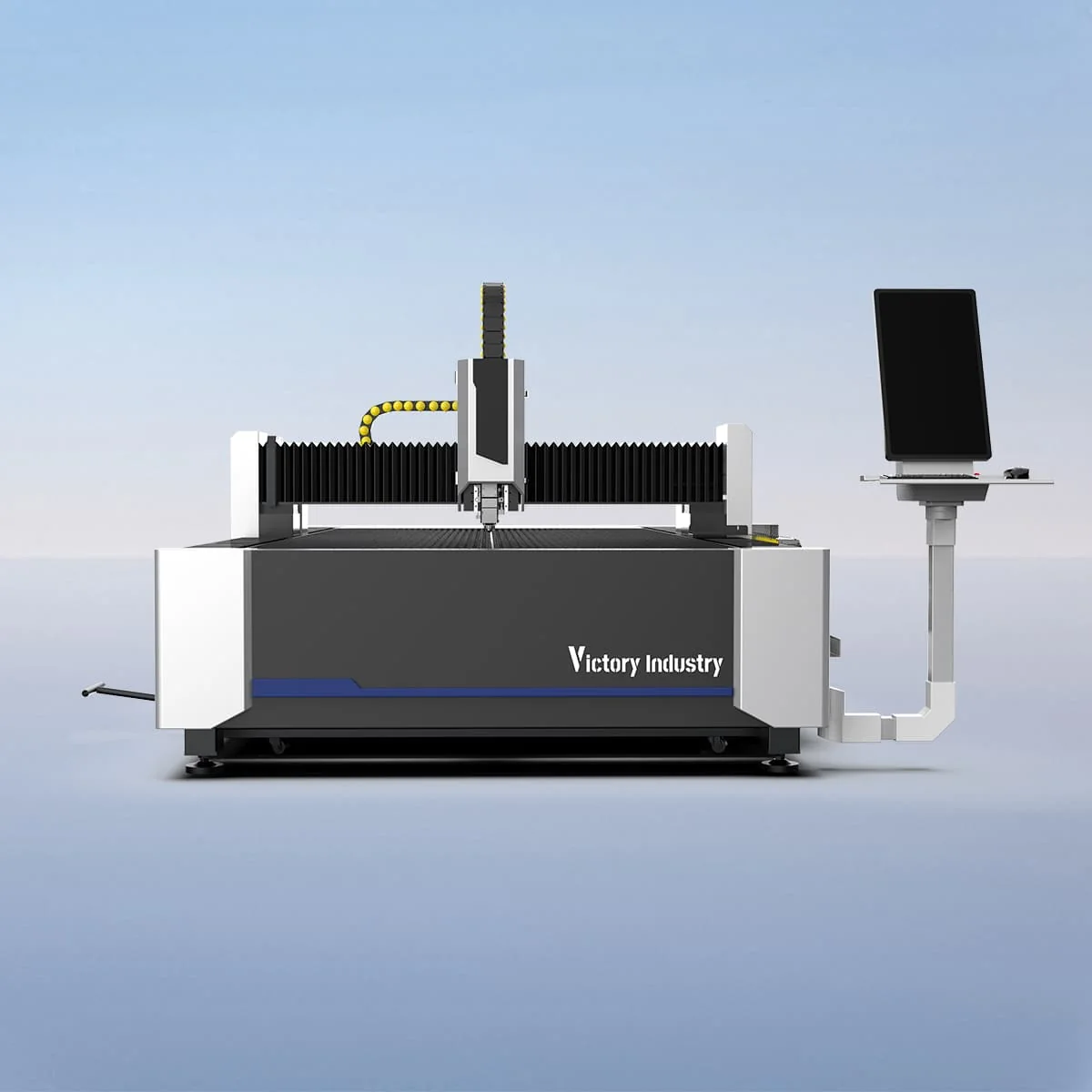
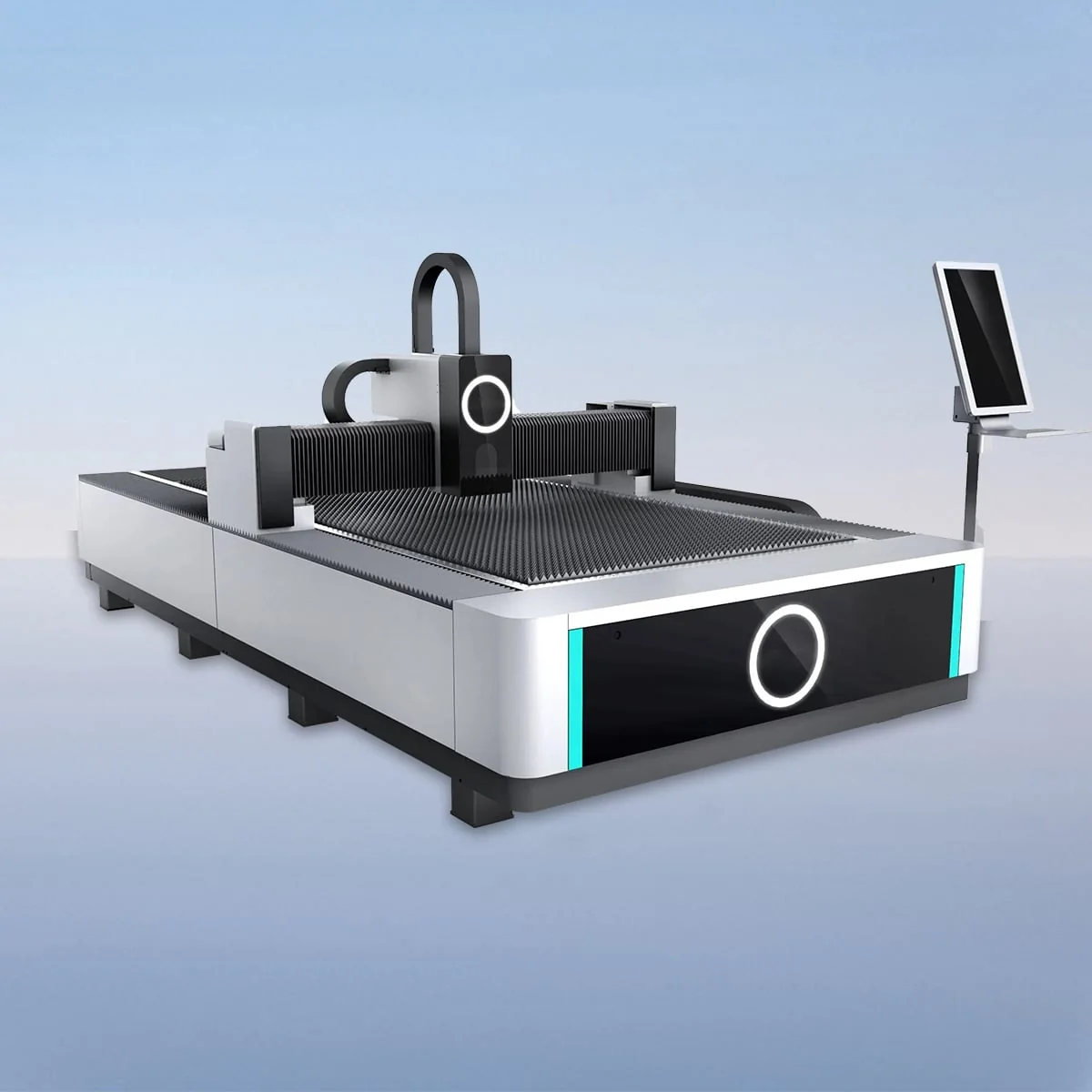
Sheet Laser Cutting Machine
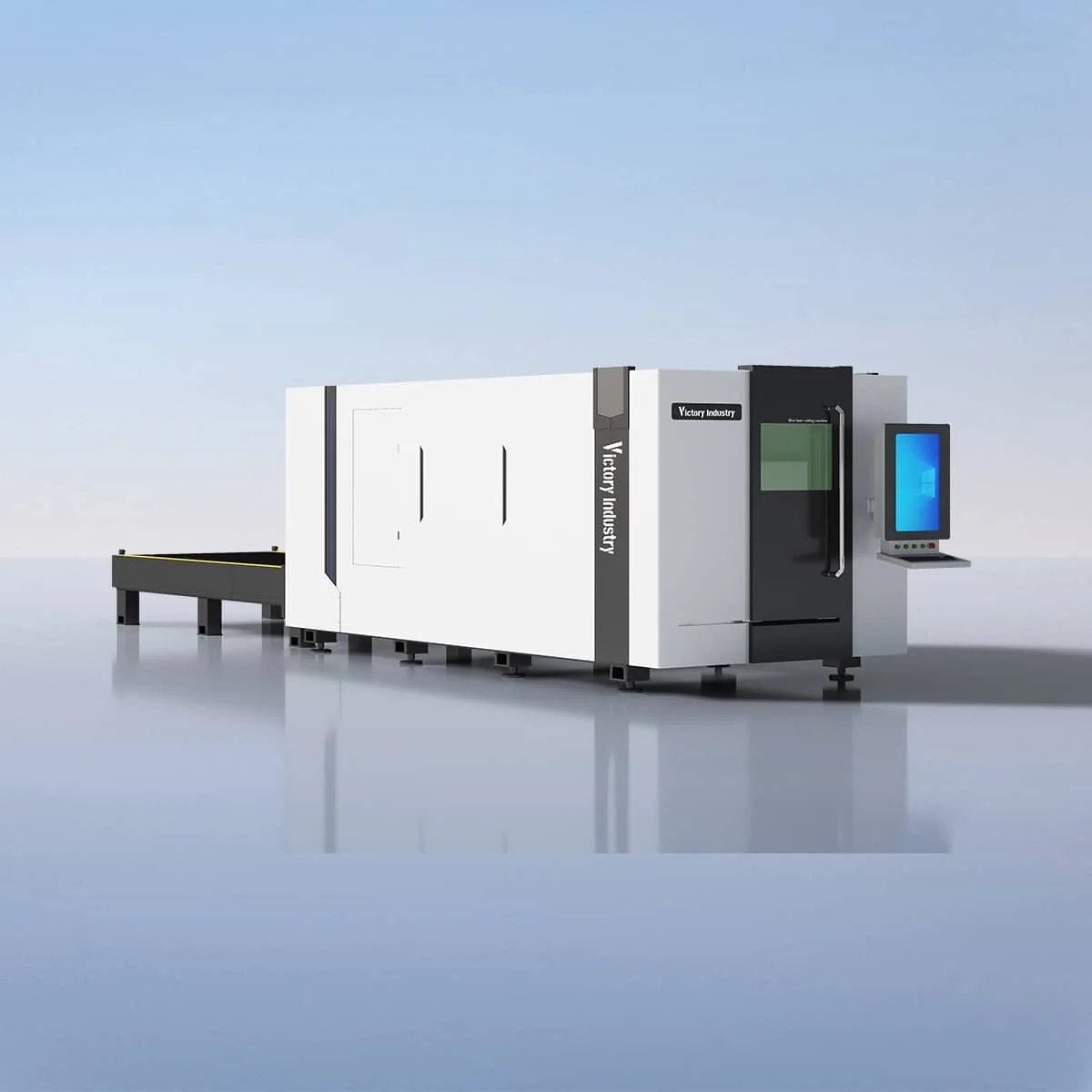
Sheet Laser Cutting Machine
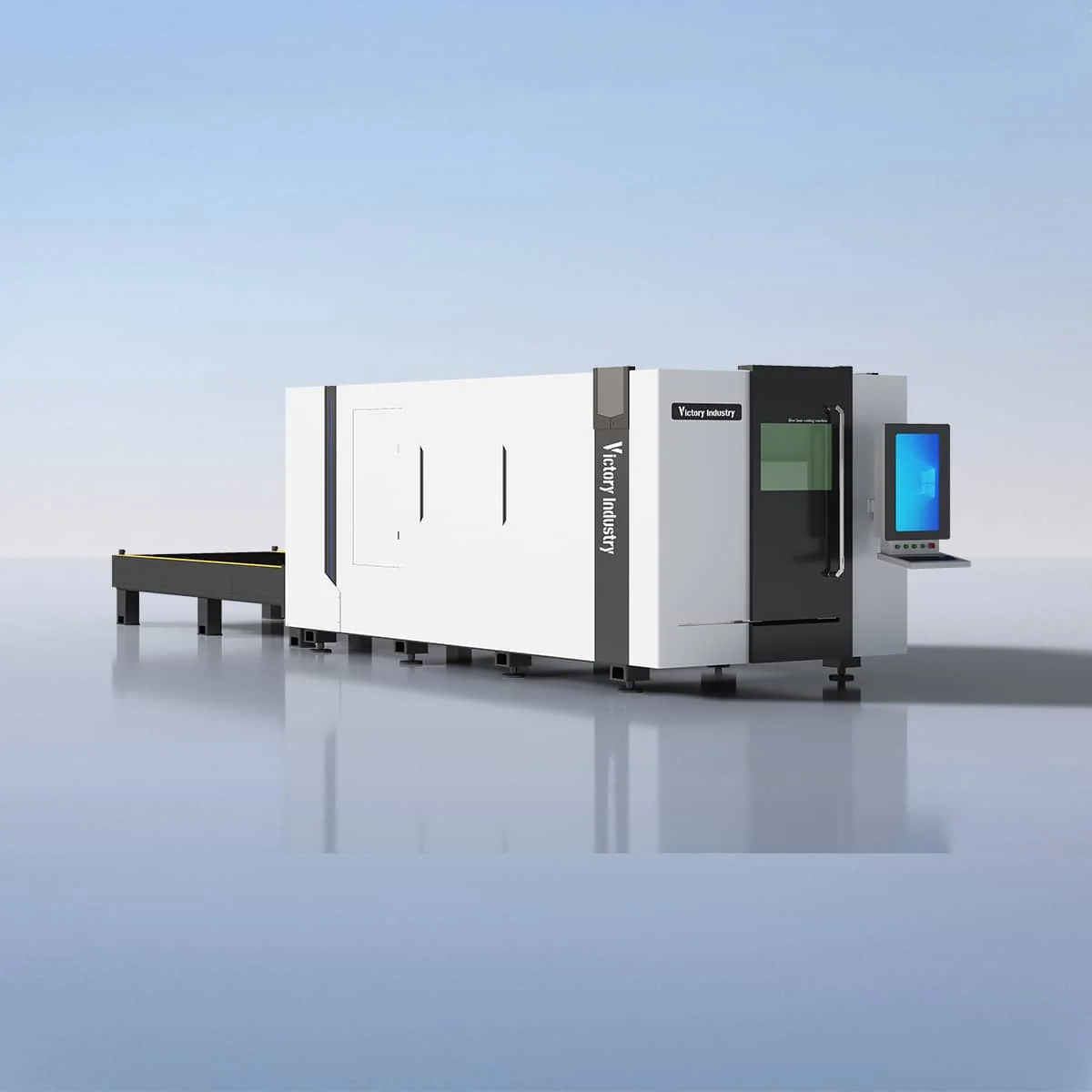
Sheet Laser Cutting Machine
The sheet laser cutting machine directory contains VIB, VIE, VIF-A, VIF, VIH and VIP. Begin with the sheet dimensions and application you want considered, then use these series names to locate specific model tables. The catalog includes several working sizes and power ranges, so keeping the complete model name matters when comparing offers or passing a shortlist to another member of your team.
VIF-A is a separate directory entry whose configuration should be requested directly. Do not give it the VIF table or assume a particular feature from the A suffix. For the other five series, use the model columns to build a shortlist, while retaining the material, drawing and selected component requirements that the proposed equipment will need to address.
Compare VIF models →Compare VIH models →A sheet metal laser cutting machine comparison can begin with the Cutting Area field. VIF3015 lists 3000×1500mm, VIF6020 lists 6000×2000mm and VIF6025 lists 6000×2500mm. VIH12025 lists 12000×2500mm. These examples belong to their named model columns. Keep the values in millimeters and carry the complete model designation into the request rather than treating the numeric suffix as a universal sizing rule.
Describe the sheet sizes you expect to use and attach the part drawings that matter to the purchase. If several sizes are involved, identify which ones are regular work and which are occasional requirements. Ask how the proposed configuration addresses them. A cutting-area entry is not the overall machine footprint or a complete description of loading and unloading requirements.
The VIF table lists 1500–3000W. VIB, VIE and VIP list 1500–20000W, while VIH lists 20000–50000W. These are published configuration ranges, not a statement that every material or thickness can be processed throughout the range. Ask for the selected power and its relationship to the application you have supplied, rather than automatically choosing the largest number.
Component lists also need a selected configuration. For example, VIF lists Raytools and WSX laser heads and CypCut, Golden Orange and Weihong control systems. The VIB, VIE, VIH and VIP tables list their own head and controller options. Ask the quotation to identify the actual choices. A list of alternatives does not mean all listed components are included together.
A sheet metal laser cutting machine supplier needs an identifiable requirement to discuss. Send the material grade, thickness, sheet dimensions and drawing revisions with the shortlisted models. Explain the cut result you want assessed and identify any part features that require particular attention. These requirements should remain visible alongside the equipment specification instead of being replaced by a broad statement about your industry.
Describe the sheet-handling arrangement you intend to use and any existing equipment that you want considered. Ask which loading, unloading or surrounding installation items are included in the proposed scope. Do not infer an enclosure, exchange table or automated handling package from a suffix or photograph. Have the selected configuration described in the offer so different quotations can be compared on the same basis.
Victory Industry is based in Jinan, China. For a China sheet metal laser cutting machine enquiry, add the installation destination and site information to the technical package. Ask the proposal to separate the machine, chosen components, optional equipment and any requested support. A clear scope lets the commercial discussion address the actual configuration instead of a generic machine category.
State any preferences for controls, instruction or installation assistance and ask what can be included. Keep delivery timing and other terms tied to the quotation being considered. If a drawing or material changes during the discussion, identify the revision. An earlier response should not be treated as confirmation of a different workpiece simply because the selected machine name remains the same.
Record the model, Cutting Area, requested power, selected head and controller, and the drawing package used for the enquiry. Use a separate line for each unresolved configuration question. Open the VIB, VIE and VIP pages if those series remain candidates, and request a VIF-A-specific description if it is part of the comparison. Keep values attached to their original series.
Send this comparison record through the contact page with the supporting drawings. Ask which sample or application checks are needed before accepting the proposed process. The useful outcome is a machine configuration linked to defined sheet work and an agreed commercial scope. It is not the largest possible set of figures collected from every table in the directory.
Review VIB →Review VIE →Review VIP →Enquire about VIF-A →Discuss a sheet-cutting configuration →The directory lists VIB, VIE, VIF-A, VIF, VIH and VIP. Five provide the model parameter sets discussed here; request a VIF-A-specific configuration directly.
No. Keep the published Cutting Area label with its model and ask separately for the installation dimensions and handling requirements of the proposed configuration.
The published ranges identify options, not a tested result for your material. Supply the material, thickness and drawings so the proposed power can be discussed against the actual job.
Do not infer a supplied feature from the suffix or image. Ask the quotation to identify the actual enclosure, table and handling arrangement you require.
Include the complete models, selected options, material specification, sheet sizes and drawing revisions. Keep any unresolved application or installation questions with the same request.
Share your material, dimensions and process. Start a conversation about the right configuration.