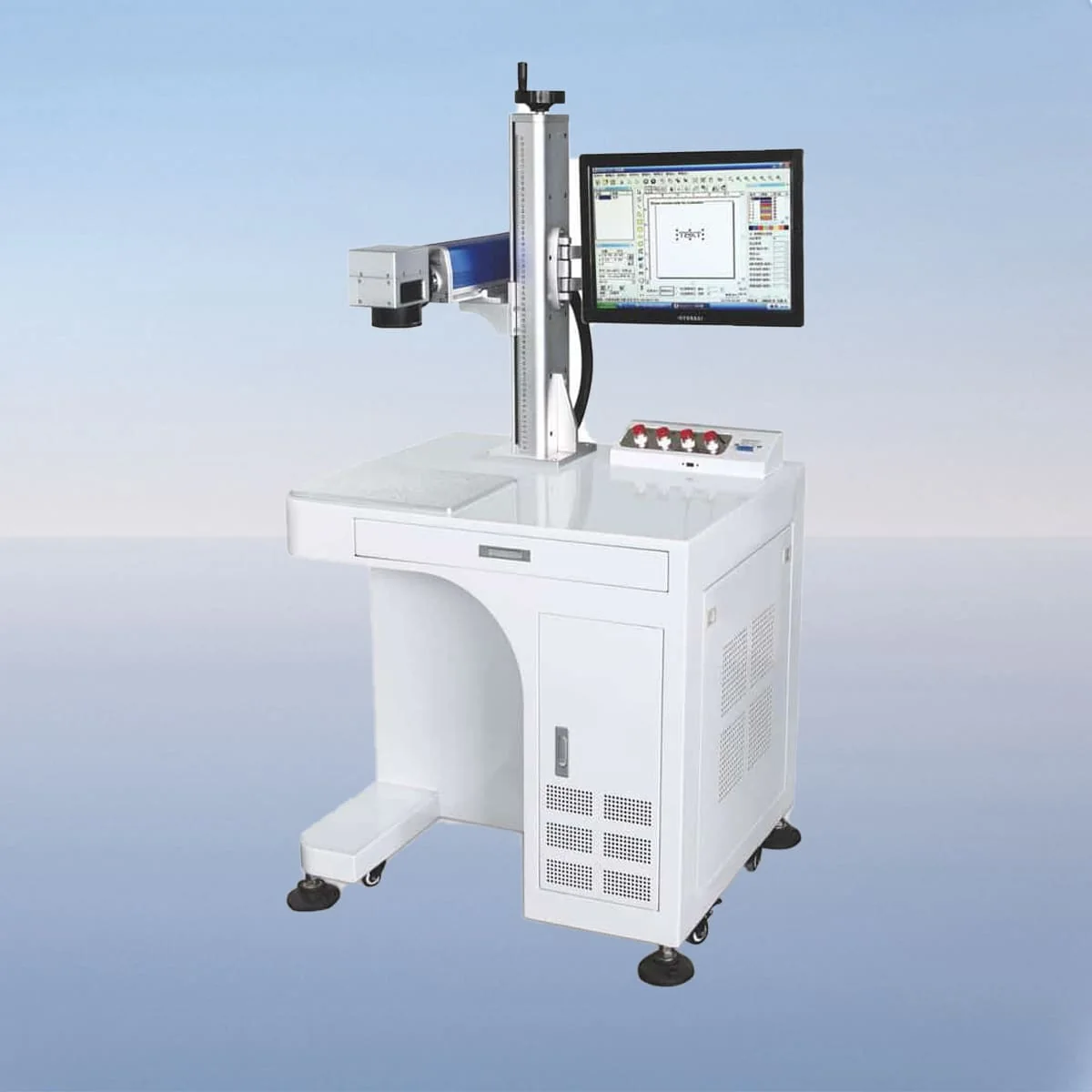
VIM-FD Laser Marking Machine
Laser Marking Machine
- Laser Power
- 20W / 30W / 50W / 60W / 70W / 100W
- Laser Wavelength
- 1080nm

Explore this fiber laser marking machine guide. Compare model specifications and configuration options, then prepare the requirements for your equipment enquiry.
Laser Marking Machine
Laser Marking Machine
Laser Marking Machine
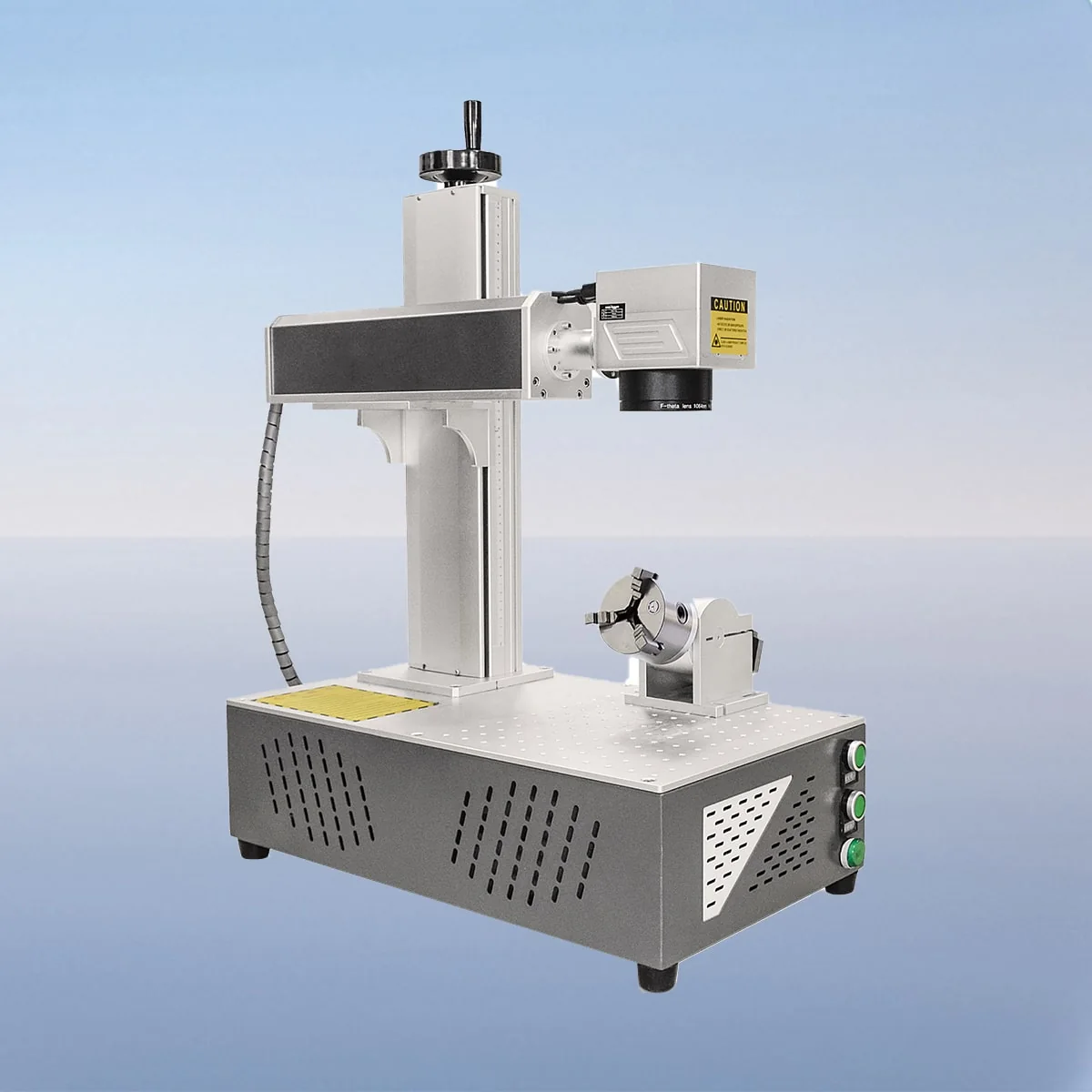
Laser Marking Machine
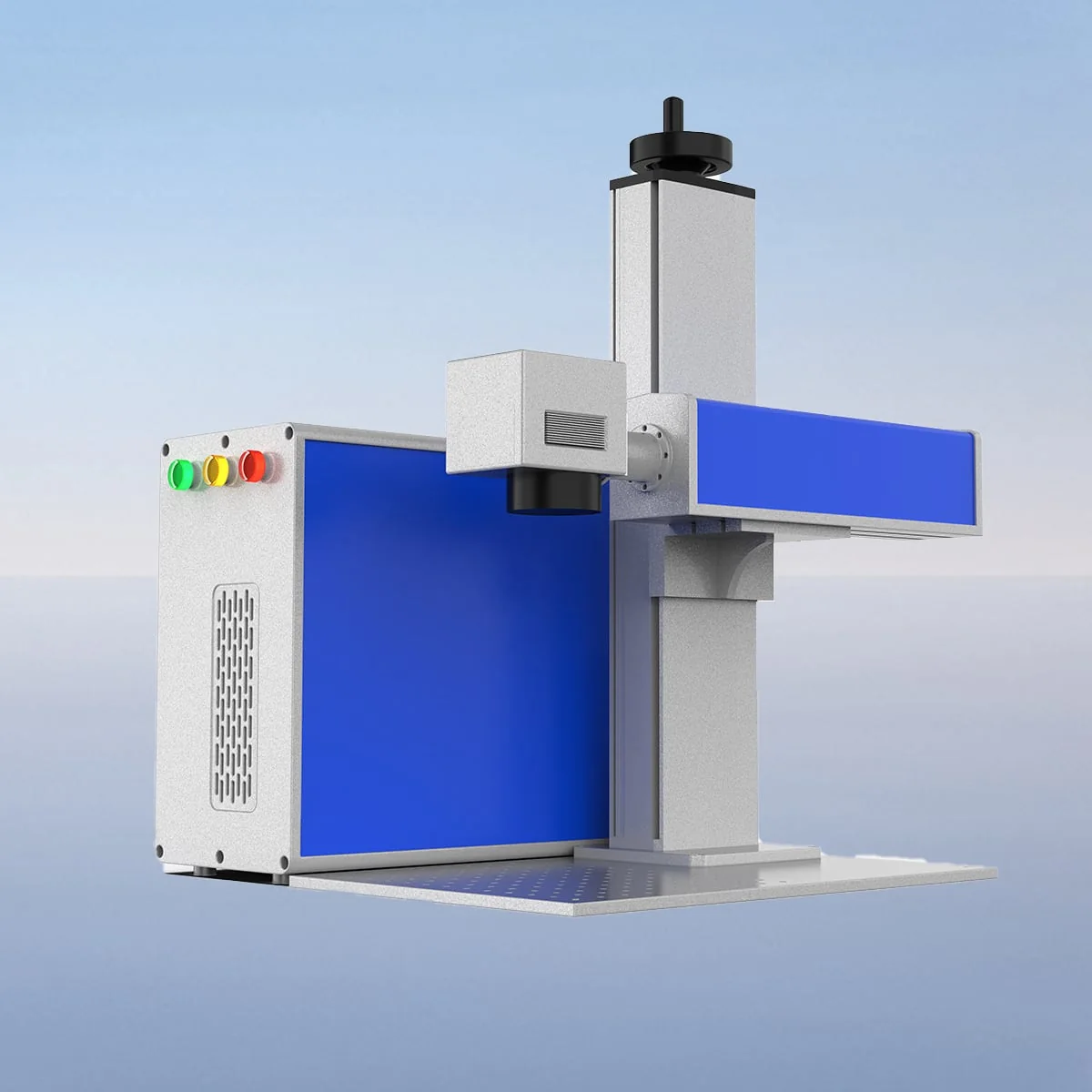
Laser Marking Machine
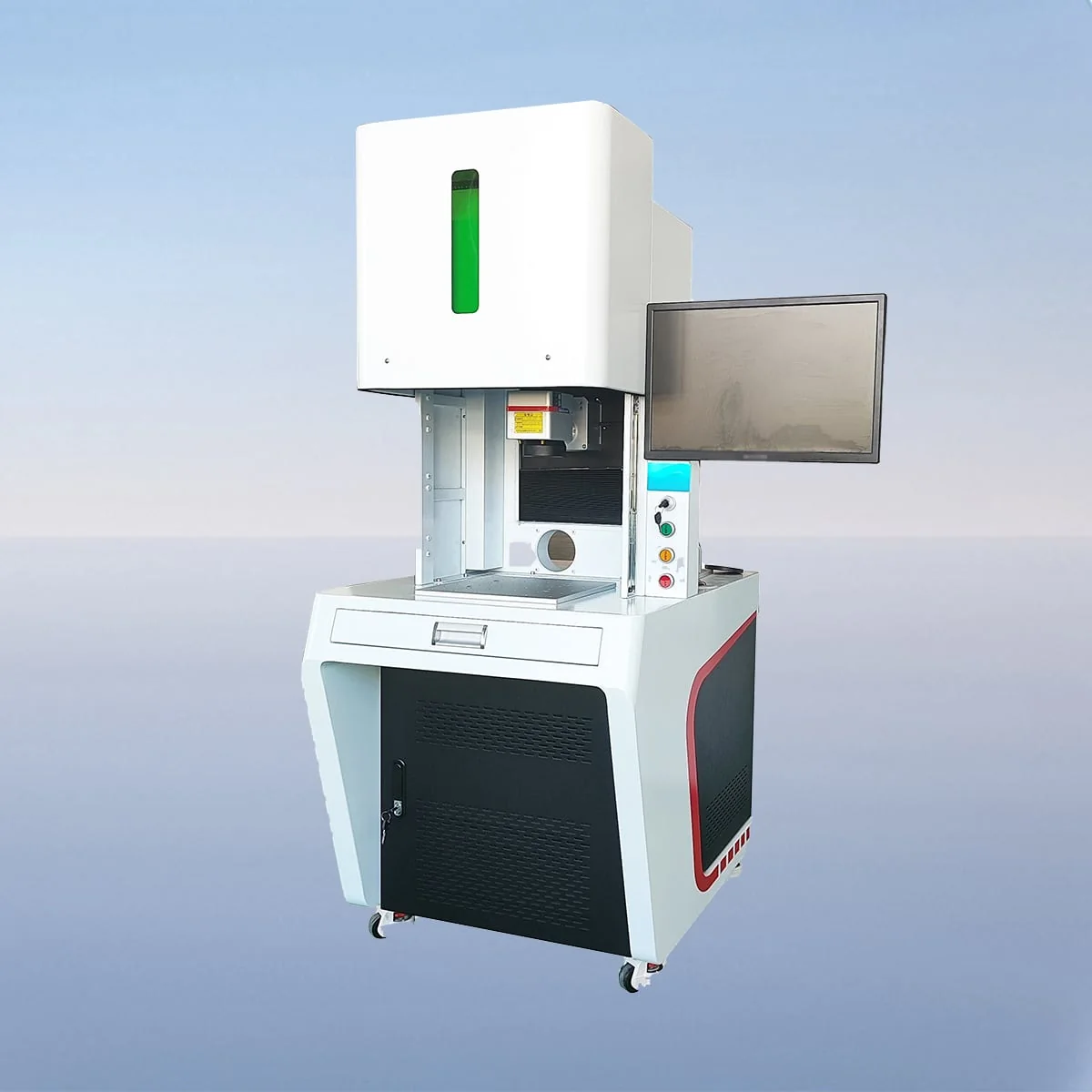
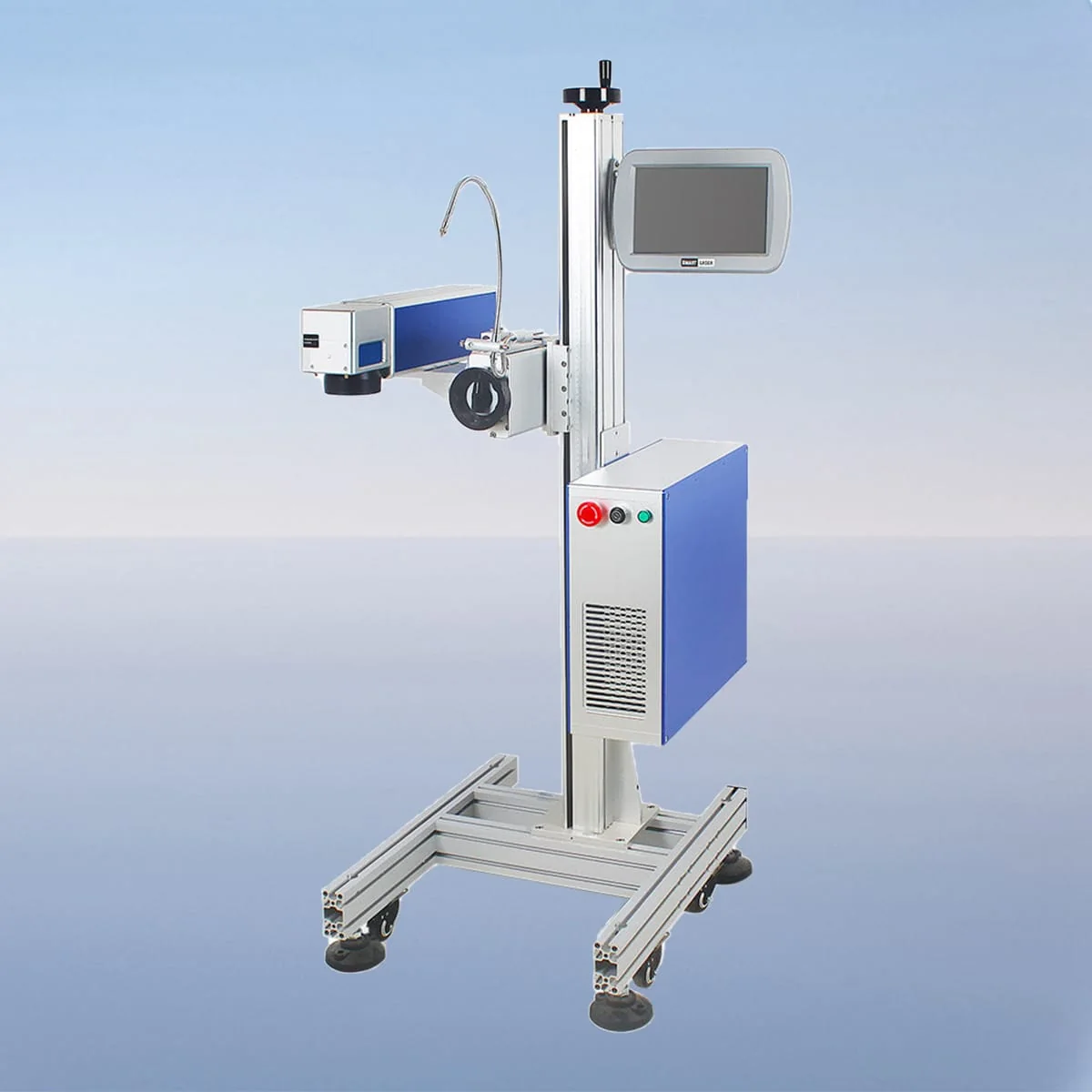
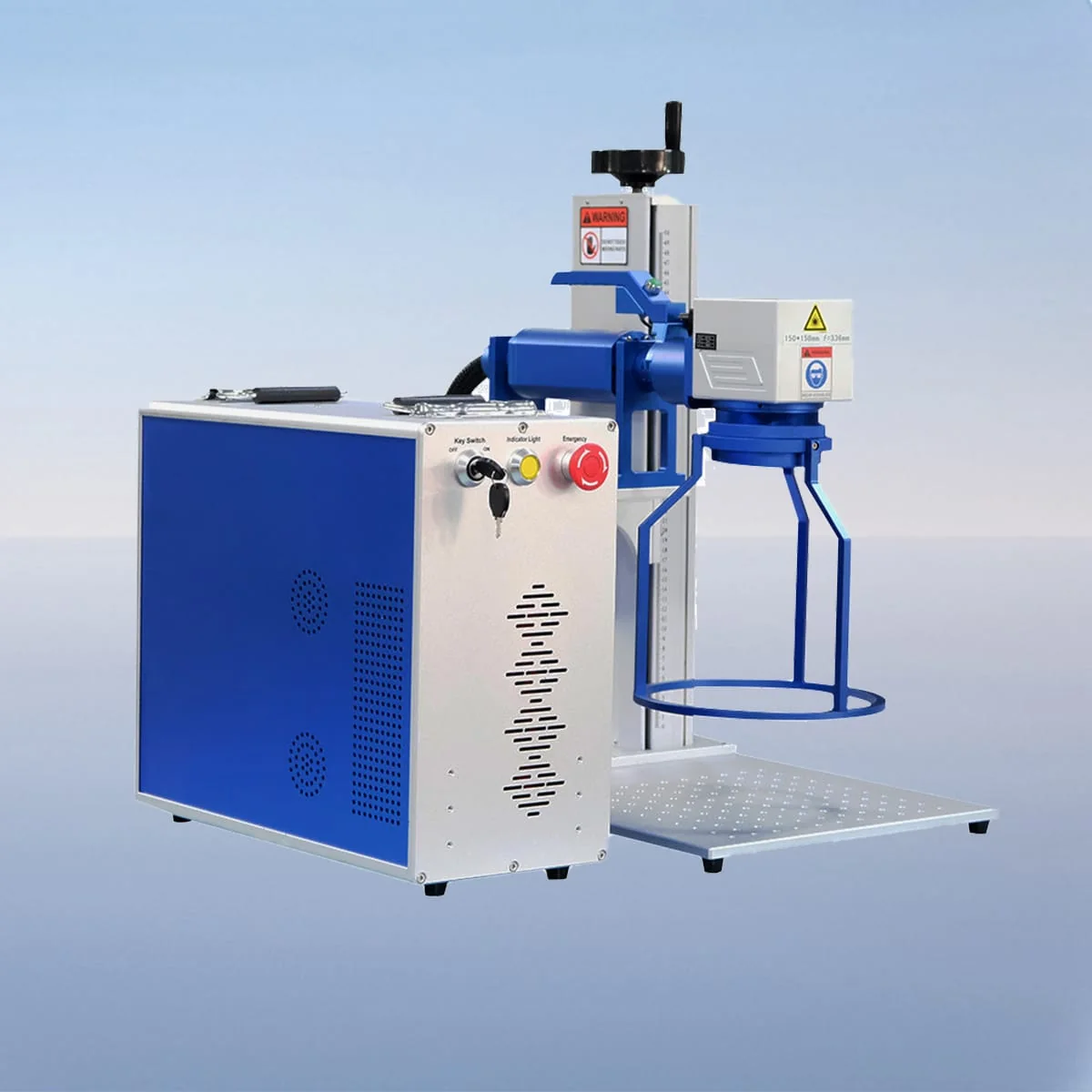
The fiber laser marking machine directory contains VIM-FD, VIM-FE, VIM-FF, VIM-FH, VIM-FP and VIM-FS. Each is a separate catalog entry. FD, FF, FH, FP and FS provide model-specific parameter tables for comparison. FE remains an enquiry route for its own configuration; the specifications of another series should not be assigned to it because the names or photographs appear similar.
Choose the series you want to investigate and retain its complete designation in your notes. This is especially useful when comparing several machines with the same nominal power. The directory identifies the candidates; the following steps help turn your mark, workpiece and operating requirements into questions that can be answered for a particular machine.
Review VIM-FD →Enquire about VIM-FE →The FD, FF, FH, FP and FS tables list 20W, 30W, 50W, 60W, 70W and 100W models at 1080nm. For instance, VIM20FD and VIM100FD occupy different power columns within FD. The corresponding FF, FH, FP and FS models retain their own suffixes. Raycus and IPG are listed as generator options in these five tables.
Put the requested generator and power selection into the quotation brief. Do not read an options list as a package containing every named generator. A shared wavelength also does not tell you the result of marking your material. Keep the chosen configuration, required mark and proposed assessment connected, rather than using a single number to stand in for the complete application.
Victory Industry is a smart laser equipment manufacturer based in Jinan, China. Its fiber marking catalog gives you identified series to discuss with the team. A useful fiber laser marking machine manufacturer enquiry includes the actual material specification, its surface finish and the mark you need. Explain whether the content is a fixed logo, changing text or another defined artwork requirement.
The FD, FH, FP and FS tables list 110×110mm and 200×200mm under the published marking-range field. Keep those options tied to those series. Do not fill in a missing FF range with the values from FD, and do not assume that a field size describes the complete workpiece envelope or fixture clearance. Ask for those separate dimensions when they matter to the proposed job.
Prepare a drawing showing the mark position and its required size. Include the actual artwork or text rather than an approximate description, and explain which information changes between parts. For a curved, recessed or awkward surface, add photographs and dimensions that show access. Describe the fixture you already use, if there is one, as equipment to assess rather than a confirmed compatible accessory.
The listed graphic formats for the five parameterized series include bmp, jpg, gif, png, tif, ai, dxf, dst and plt. Identify the file you intend to provide and ask how it will be used for the selected configuration. Format support does not establish the appearance, readability or durability of a mark. State those acceptance requirements separately and link them to the proposed sample.
A fiber laser marking machine supplier proposal should identify the series, power, generator and selected marking arrangement. If a range option is relevant, ask which one is included. Identify any fixture, positioning device or other accessory you want considered without assuming it is standard equipment. This makes the offers comparable even when the catalog tables share several values.
The published usage-environment field for the five parameterized series calls for a clean, dust-free or low-dust environment. Describe your intended installation area and ask what the proposed equipment requires there. If your production area differs from that description, raise the difference directly. A picture of a machine in a general workshop is not evidence that every installation condition is acceptable.
Open the FH, FP and FS entries when those series are part of your shortlist, and request an FE-specific specification if you are considering FE. Compare the same drawing and marking requirement across the candidates. Where a field is unavailable, leave it as a question; a blank in a comparison sheet is preferable to a number borrowed from a neighboring machine.
Send the shortlisted model names, selected options and application package through the contact page. Ask the final offer to separate equipment, accessories and any requested installation or training scope. Retain the artwork revision with the offer so a later design change is visible. The goal is a clear configuration matched to a defined marking task, with any untested result still identified as untested.
Review VIM-FH →Review VIM-FP →Review VIM-FS →Send a fiber marking enquiry →FD, FF, FH, FP and FS provide the parameter sets used here. FE is listed as a separate series, but its configuration should be requested directly rather than copied from one of those tables.
Raycus and IPG appear as generator options. Ask the quotation to identify the selected generator for the model being offered.
No. The 110×110mm and 200×200mm entries discussed here belong to FD, FH, FP and FS. Do not insert them into a missing FF or FE specification.
No. File-format support and the resulting mark are separate questions. Provide the material, artwork, dimensions and inspection requirements for assessment on the proposed configuration.
Describe the intended working area and its conditions. The five parameterized series list a clean, dust-free or low-dust usage environment; discuss any difference before treating the equipment as specified for your site.
Share your material, dimensions and process. Start a conversation about the right configuration.