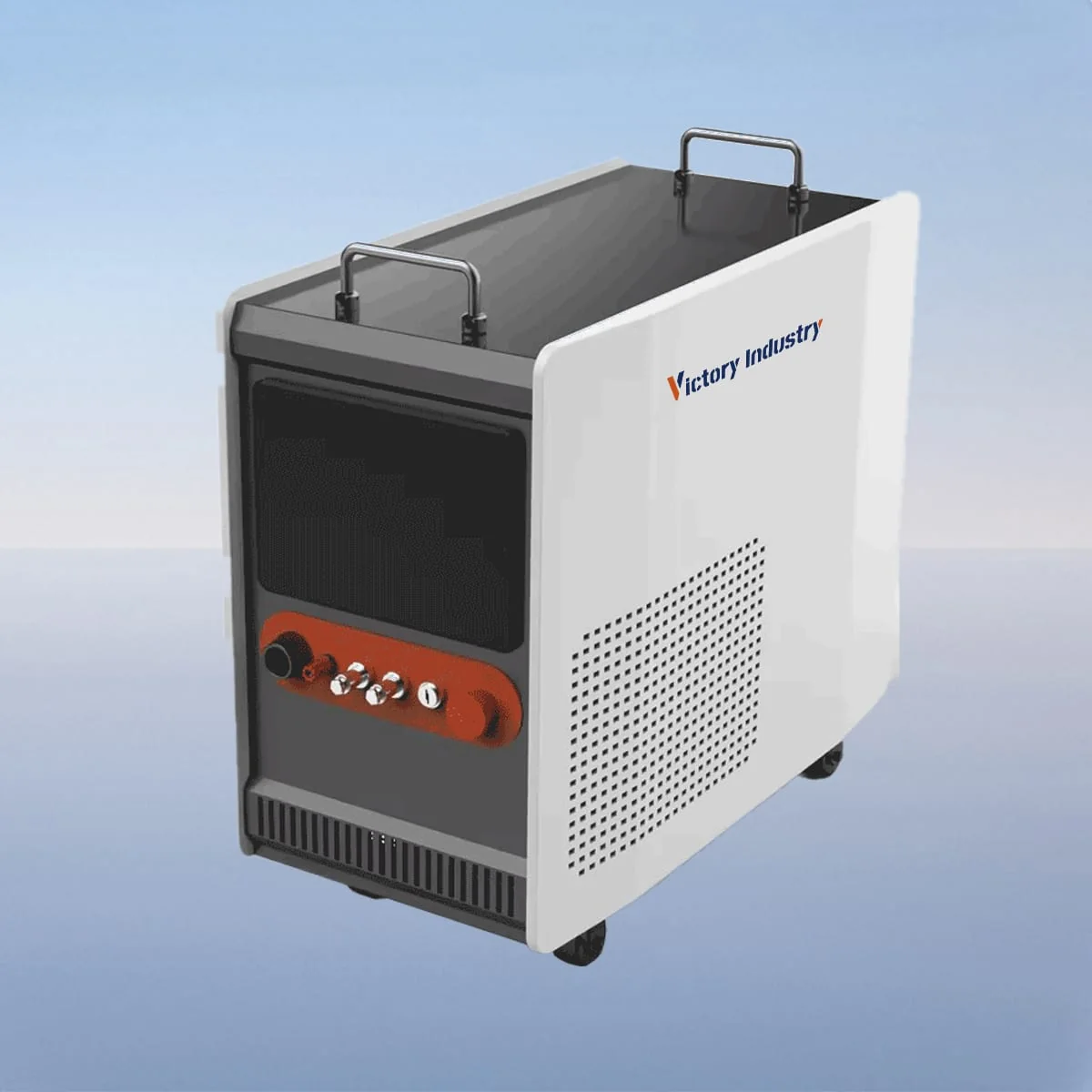
VIW-A Laser Welding Machine
Laser Welding Machine
- Laser Power
- 1500W / 2000W / 3000W
- Laser Wave Length
- 1080nm

Explore this laser welding machine guide. Compare model specifications and configuration options, then prepare the requirements for your equipment enquiry.
Laser Welding Machine
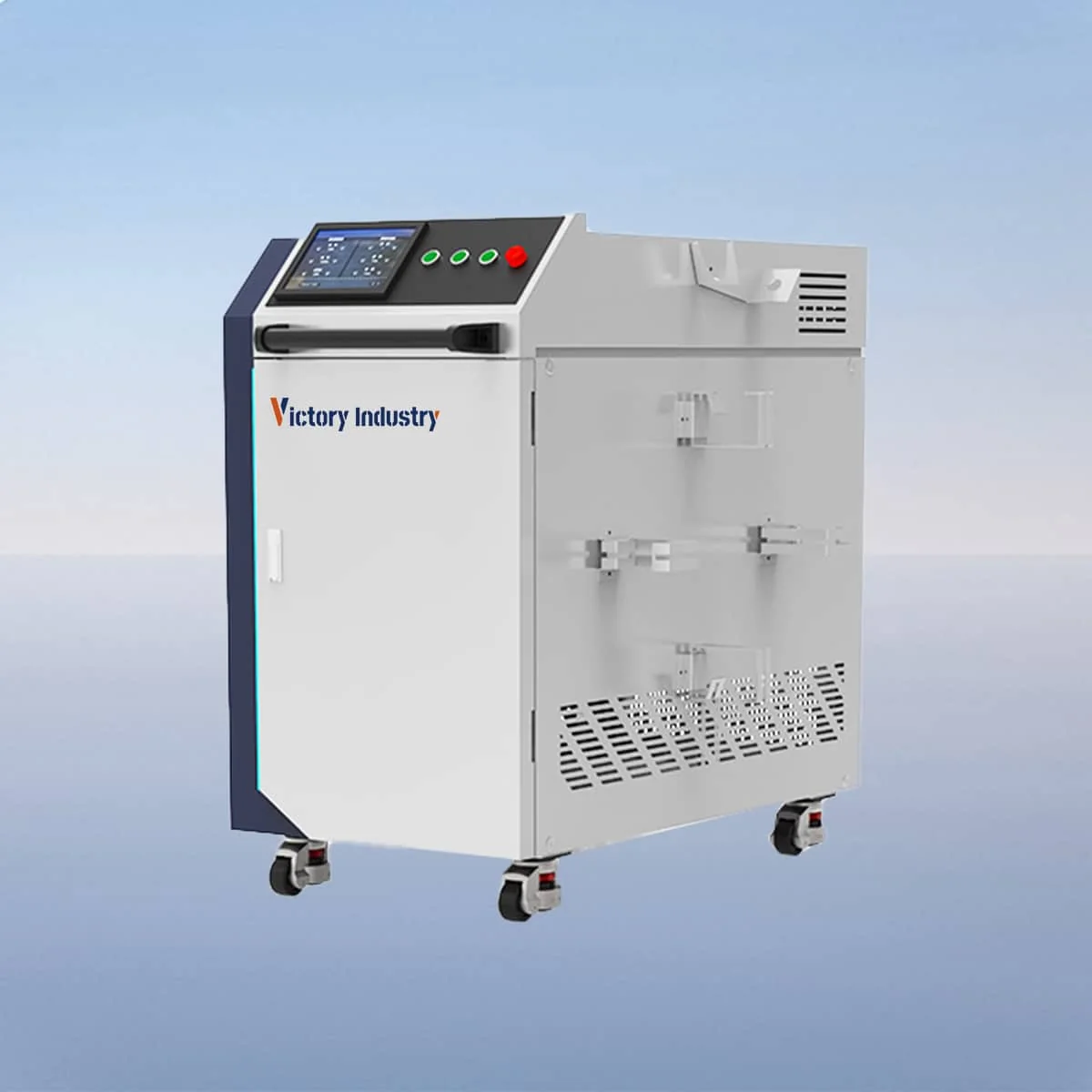
Laser Welding Machine
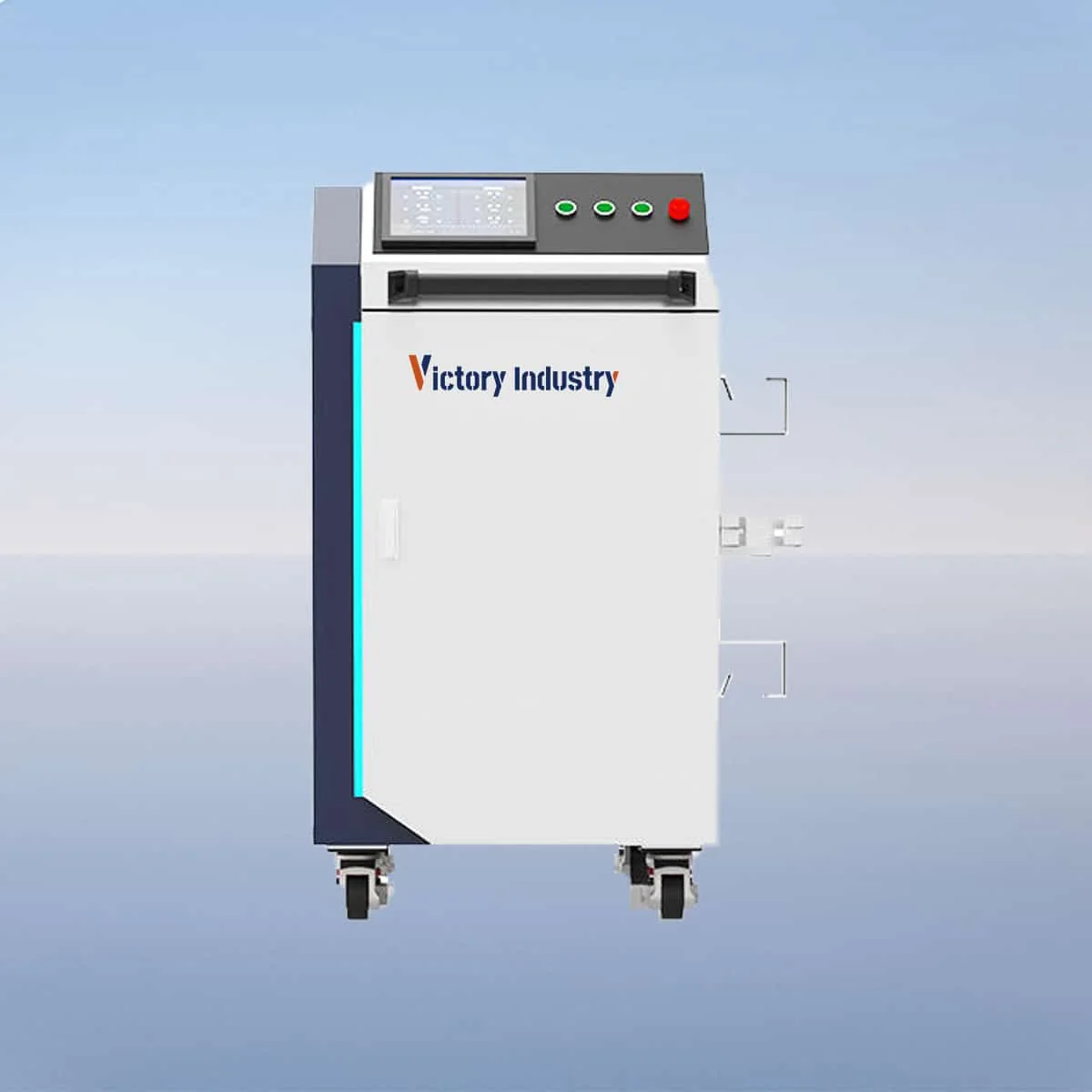
Laser Welding Machine
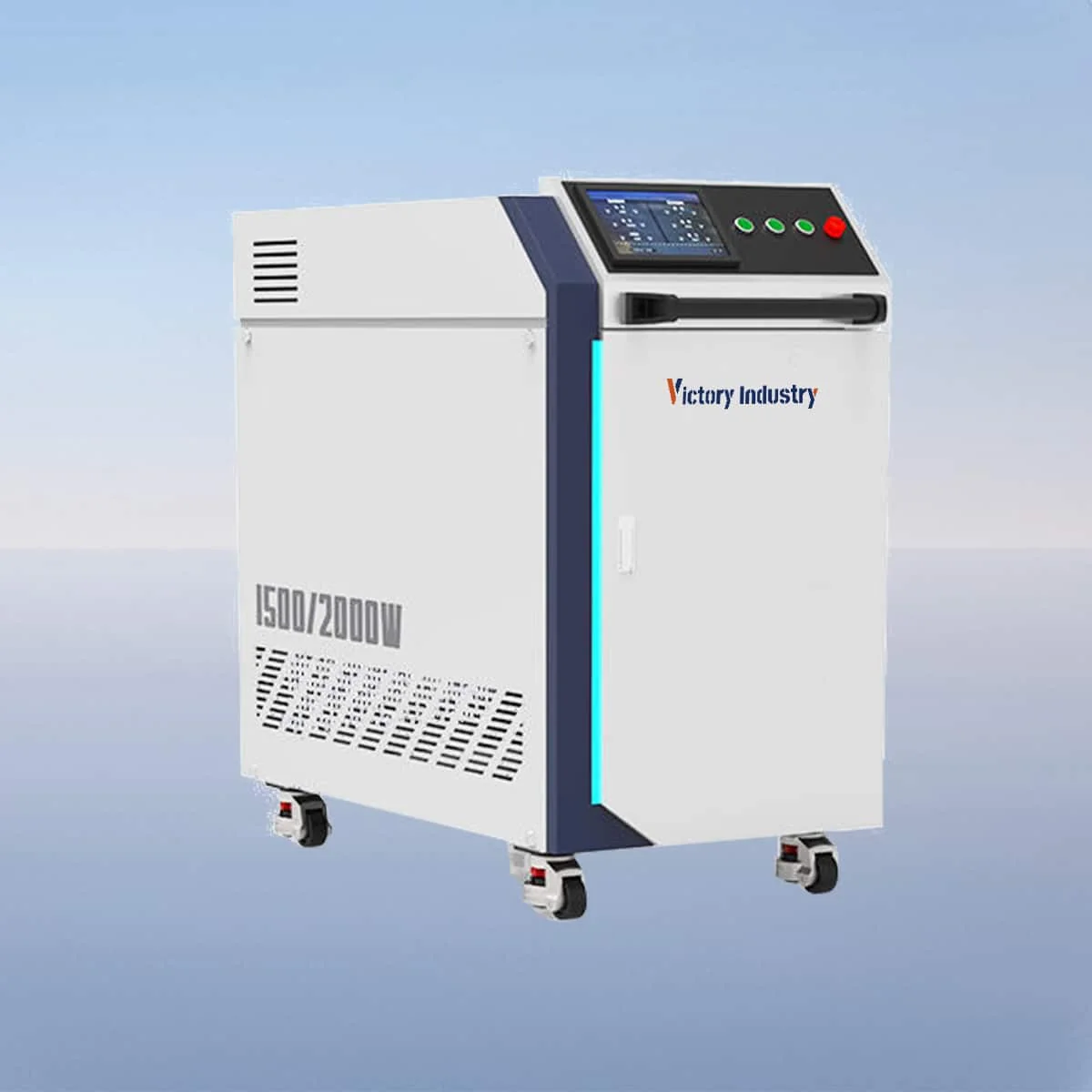
Laser Welding Machine
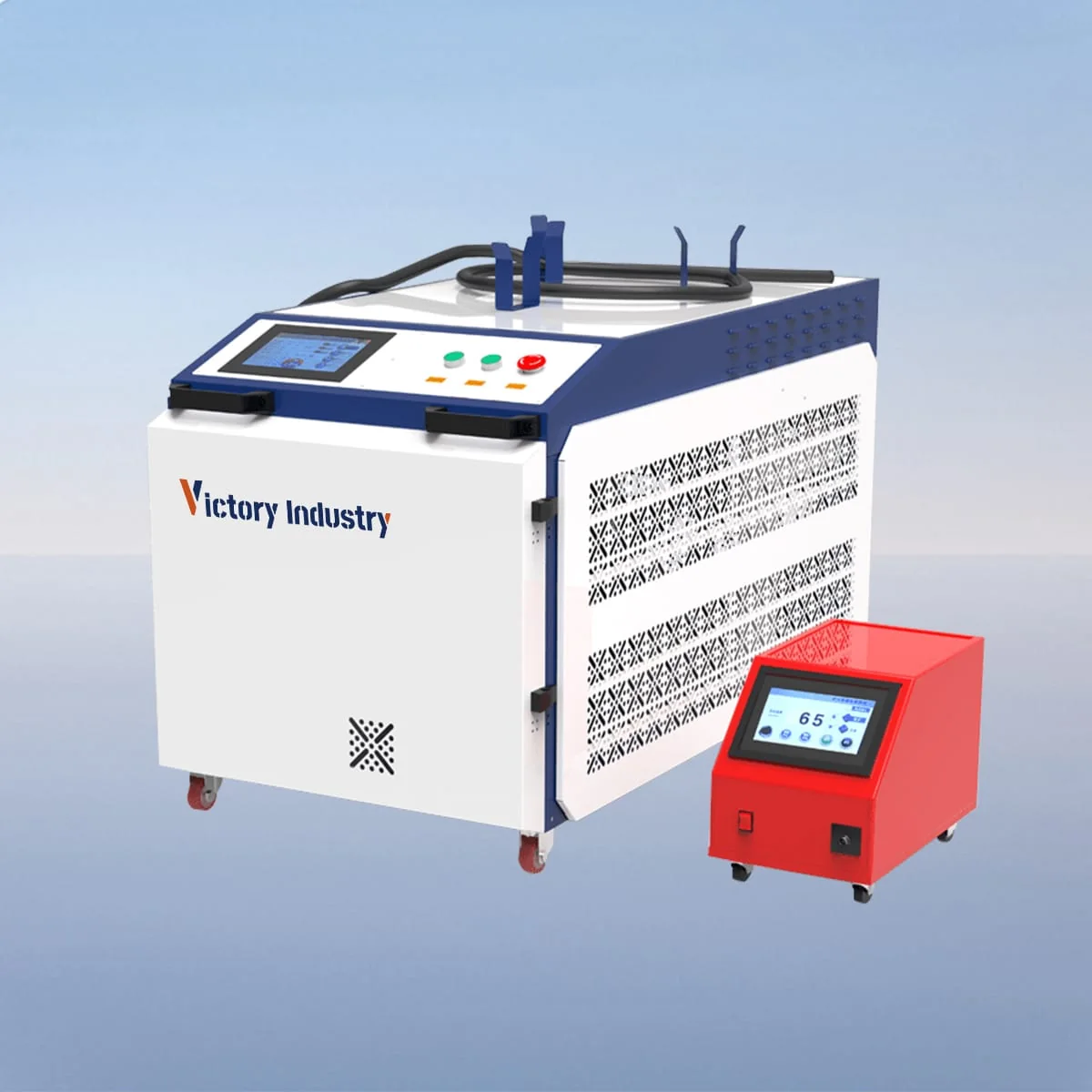
Laser Welding Machine
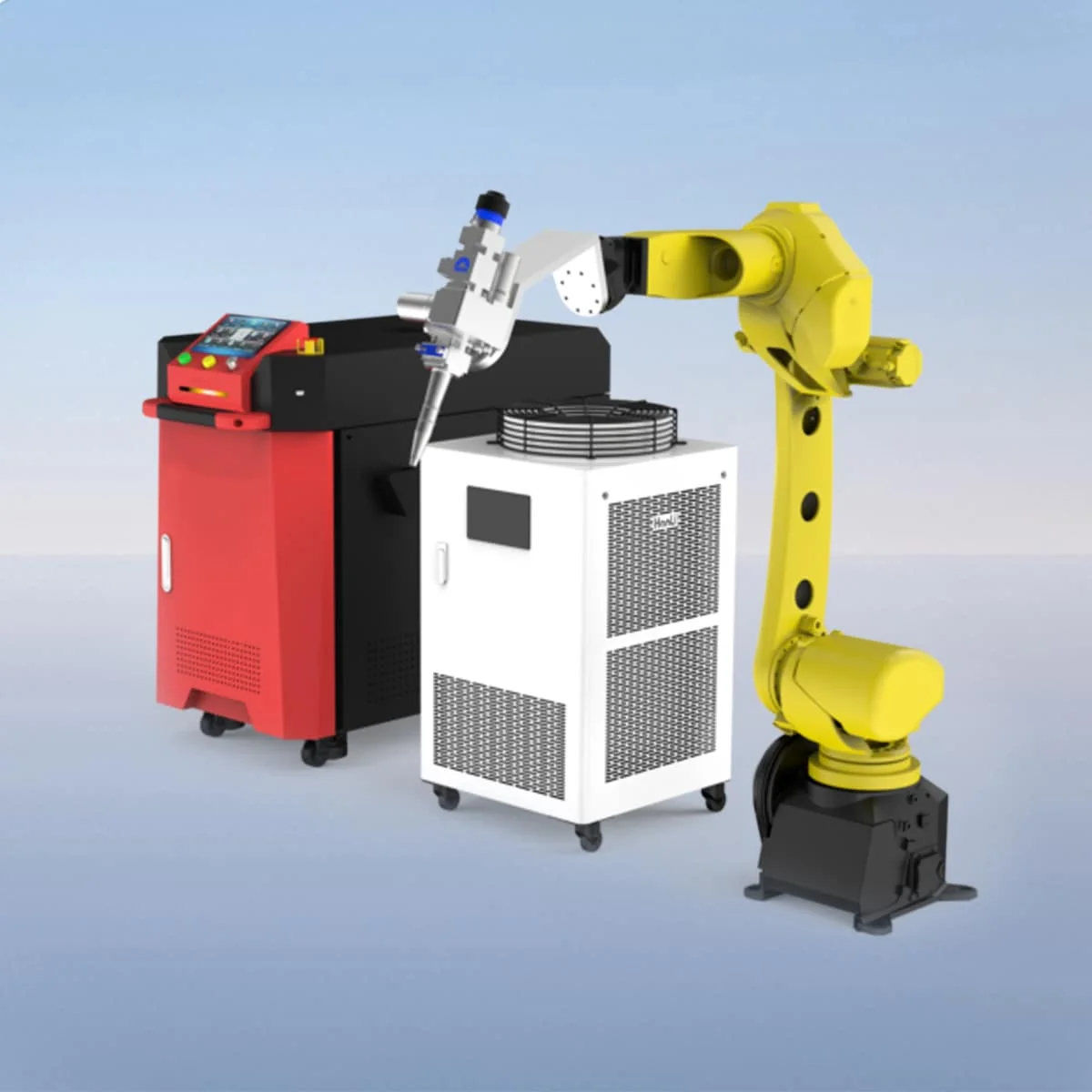
Laser Welding Machine
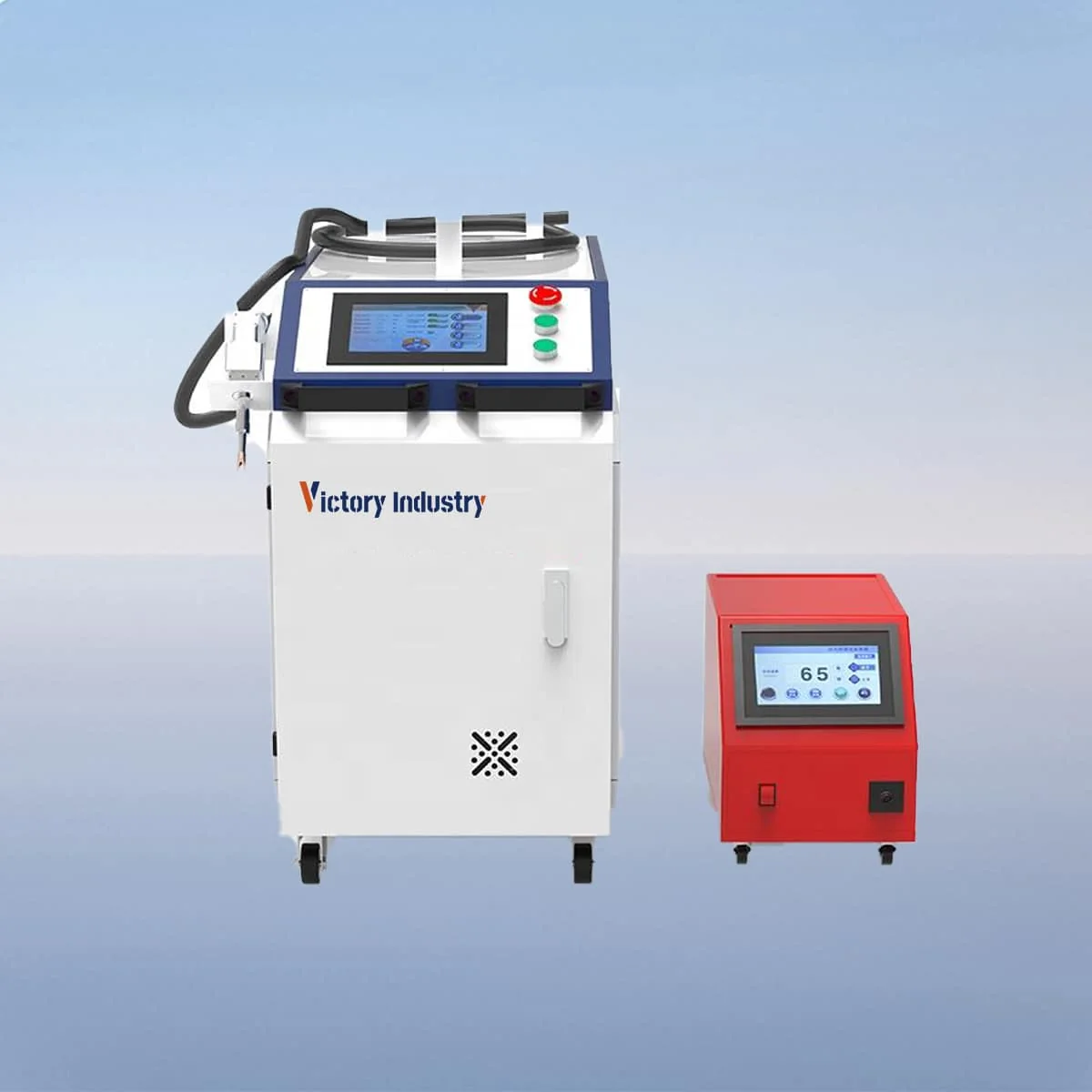
Laser Welding Machine
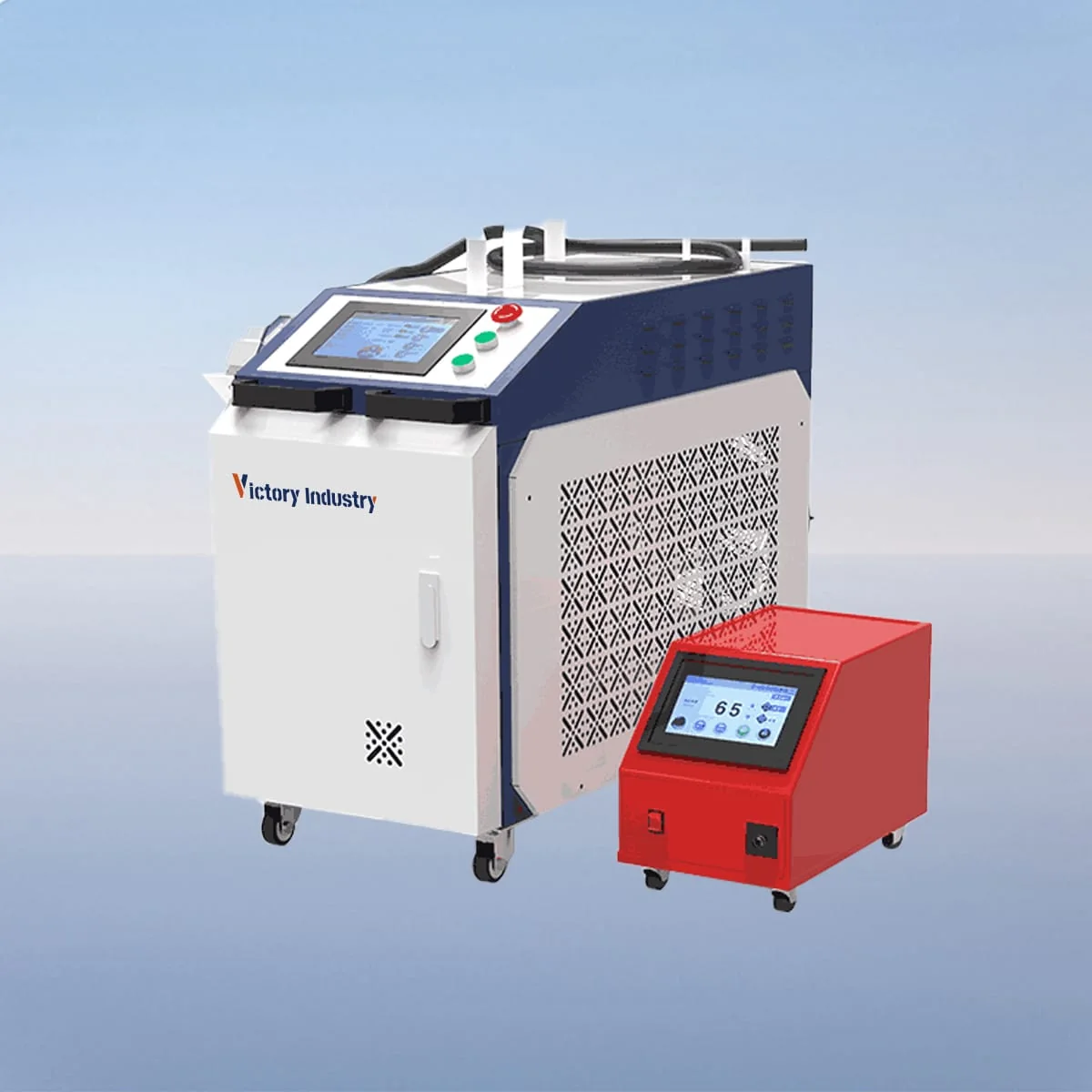
Laser Welding Machine
The laser welding machine catalog contains eight series. VIW, VIW-A, VIW-D, VIW-F, VIW-P, VIW-S and VIW-T are in the handheld category. VIW-R is the automatic welding entry. Begin by choosing the route that matches the work arrangement you want considered, then compare the relevant models. A shared power number should not erase that basic distinction.
For an operator-held project, describe the joint and how the operator will approach it. For an automatic project, explain the repeated workpiece and the proposed arrangement around it. The directory separates these starting points so an enquiry can address a specific configuration. It does not imply that every series is an interchangeable way of completing the same job.
Compare the handheld category →Explore automatic welding →The VIW-R description identifies a fixed structure, welding head, laser generator and industrial water chiller. It explicitly describes robotic arm integration for repetitive welding tasks. These statements belong to VIW-R; they should not be transferred to the other seven series because the machines share the VIW prefix. The automatic category provides a direct route to this equipment.
If you are considering VIW-R, describe the part, fixture requirements and any robot equipment you already own. Ask the proposal to identify the integration scope and supplied components. The description does not establish a particular robot brand, axis count, payload or unattended production line. If those details matter to the project, request them rather than deriving them from the automatic category name.
The eight series list 1500W, 2000W and 3000W models at 1080nm. Their laser-source options include Raycus, JPT, IPG and Max. The fiber-length entry distinguishes standard 10m from maximum support 20m. Keep the full model designation and the selected component options together; the maximum supported length is not the same description as the standard configuration.
VIW, VIW-D, VIW-F, VIW-P, VIW-R, VIW-S and VIW-T list water cooling. Do not assign that entry to VIW-A; its cooling configuration needs direct clarification. A shared wavelength or power also does not establish an identical machine layout or welding result. Compare the published fields that are actually present, and retain unresolved items as questions for the selected series.
Victory Industry is a manufacturer of smart laser equipment based in Jinan, China. For a laser welding machine manufacturer enquiry, identify the shortlisted series and attach the actual joint drawing. State the material specification, thickness, joint location and required result. Those details are the basis of the application discussion, rather than an assumption that a broad catalog category proves suitability.
Include photographs where they help explain access, but keep dimensions and drawing revisions with them. If multiple parts are involved, identify which share a joint arrangement and which need separate consideration. Ask what samples or inspection information would be needed before accepting a proposed process. A model listing and a power rating are not records of a test on your workpiece.
For a China laser welding machine purchase, keep the machine configuration, application brief and installation destination in the same enquiry. Ask for the selected source, fiber arrangement, cooling description and any separately supplied equipment to be specified. This gives your purchasing team a common basis for comparing offers without combining the most attractive entries from different machine families.
Explain the support activities you want discussed, such as installation or operator instruction, and ask the quotation to define their scope. Do not assume a delivery schedule, service duration or included accessory from a general company description. If the proposal changes after a drawing review, retain the earlier revision so the difference in configuration and responsibilities can be understood.
A useful shortlist records the series, exact model, requested options and the workpiece it is being considered for. For a handheld candidate, keep operator access and part-position information with the joint drawing. For VIW-R, keep the proposed fixture and integration questions with it. These different briefs prevent a comparison from being reduced to nominal power alone.
Open VIW or VIW-R to review the relevant specifications, then use the application page to assemble the remaining information. Send the resulting package through the contact page and identify questions that are still open. The next step is a proposal for a defined job and configuration, with the required evidence for any application result kept separate from the catalog description.
Review the VIW series →Review the VIW-R series →Prepare your welding application →Discuss a welding configuration →It lists seven handheld series and one automatic series, VIW-R. Follow the relevant category before comparing individual model specifications.
No. The official category places VIW-A with the handheld series. Do not infer automatic operation from its suffix.
No. The robotic arm integration discussed here is the published VIW-R description. Confirm its supplied integration scope separately and do not transfer it to the handheld series.
Water cooling is listed for VIW, VIW-D, VIW-F, VIW-P, VIW-R, VIW-S and VIW-T. Request the VIW-A configuration directly instead of assigning another series cooling entry to it.
Name the model and selected options, then attach the material specification, thickness, joint drawings and required result. Include operator-access information for handheld work or fixture and integration questions for an automatic project.
Share your material, dimensions and process. Start a conversation about the right configuration.