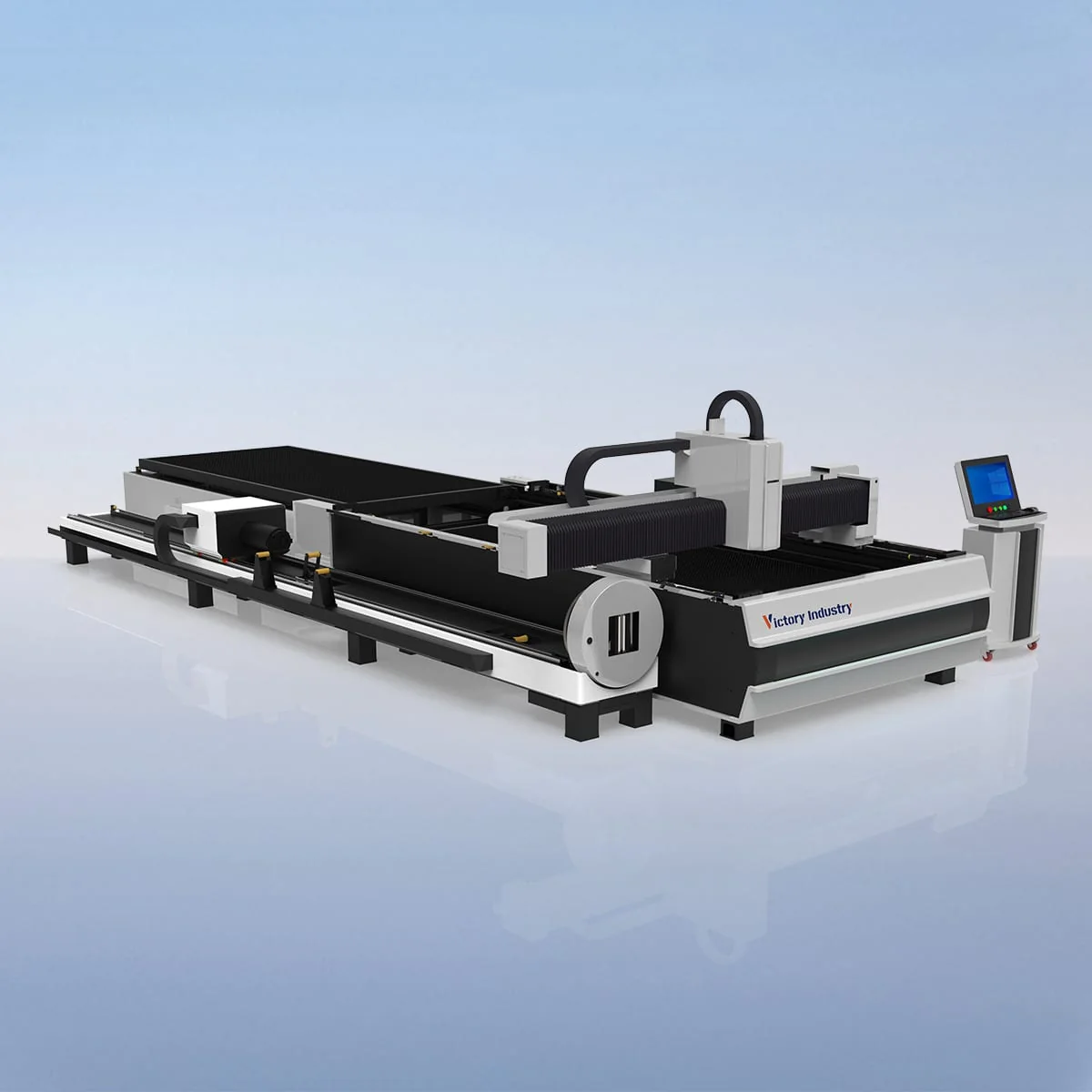
VIE-T Laser Cutting Machine
Tube And Sheet Laser Cutting Machine
- Cutting Area
- 3000*1500mm / 4000*1500mm / 4000*2000mm / 6000*1500mm / 6000*2500mm
- Laser Power
- 1500-20000W

Explore this tube and sheet laser cutting machine guide. Compare model specifications and configuration options, then prepare the requirements for your equipment enquiry.
Tube And Sheet Laser Cutting Machine
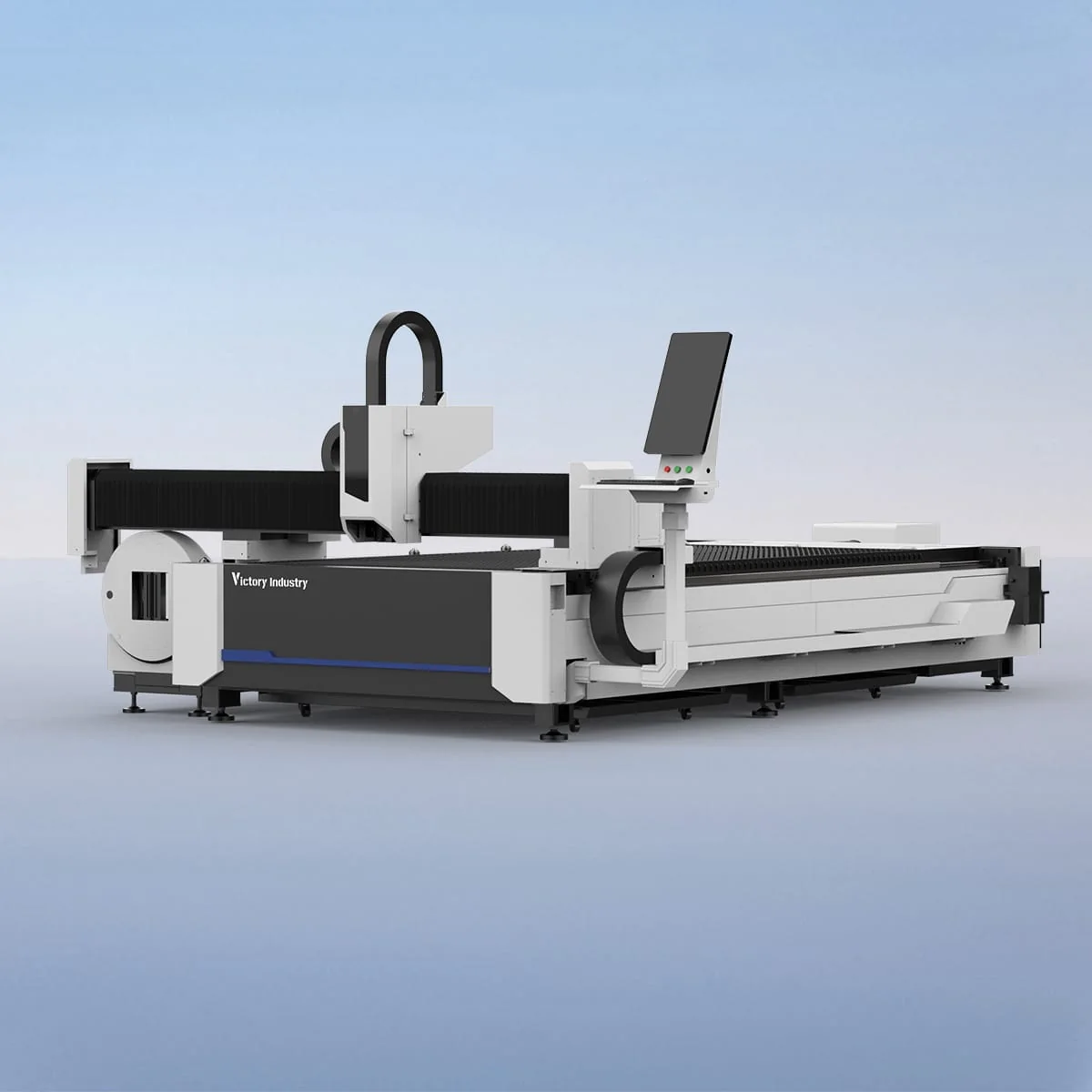
Tube And Sheet Laser Cutting Machine
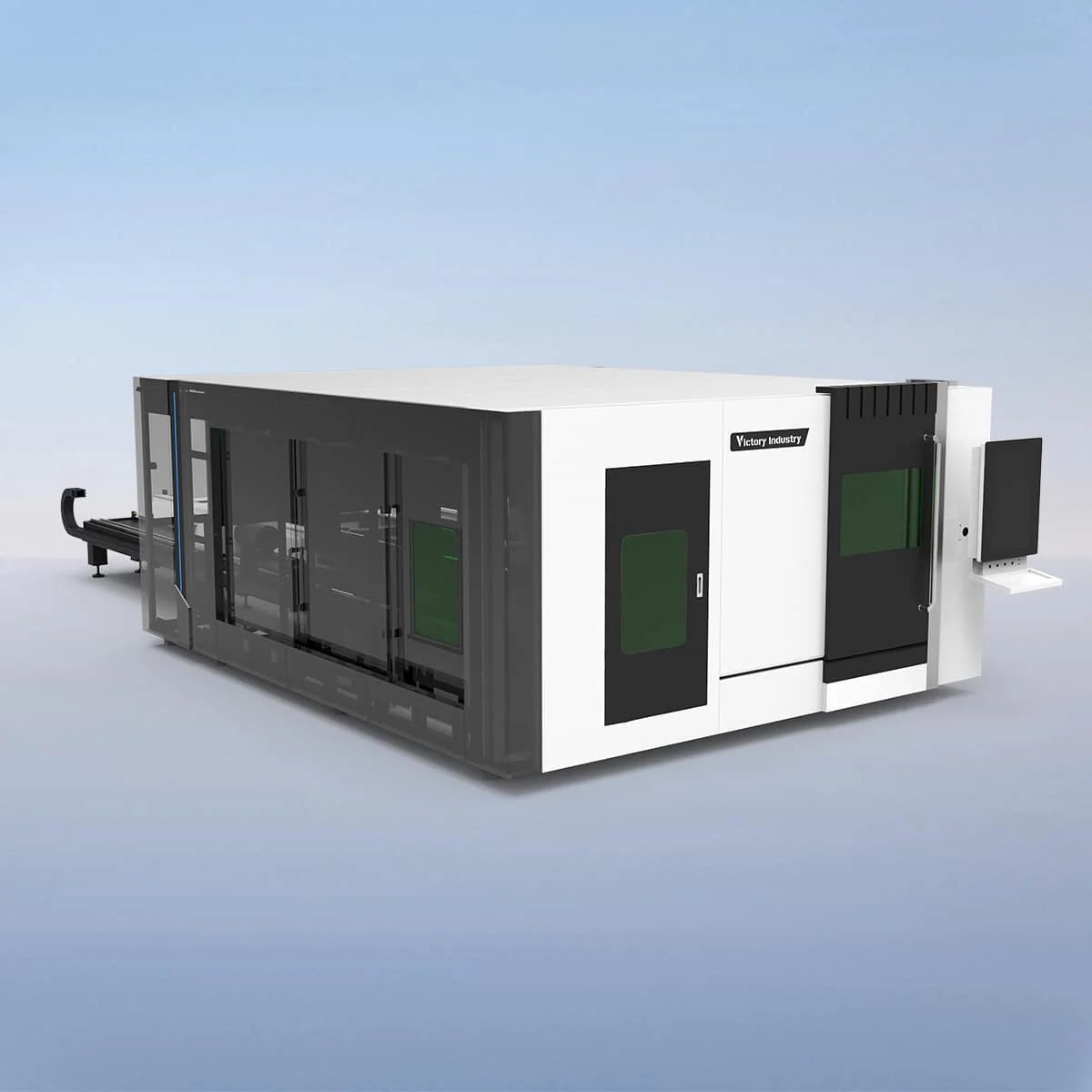
Tube And Sheet Laser Cutting Machine
VIE-T, VIF-T and VIP-T are the three families in the tube and sheet laser cutting machine directory. Open the series page to compare its named models, then select an individual model for the complete table. Keep T in the reference: VIF3015T is the complete model name shown in this combined family.
Prepare two work descriptions for this comparison. The sheet information describes the blanks and part layouts. The tube information describes sections, lengths and cut features. A single assembly drawing may show how the finished pieces meet without supplying everything needed about either incoming stock form. Keep both descriptions with the shortlist, and explain the role of any dedicated tube alternative you are also considering.
VIE-T combined series →VIF-T combined series →VIP-T combined series →For the sheet side, begin with the material, thickness, incoming blank size and part layout. As two examples from VIF-T, VIF3015T lists a Cutting Area of 3000*1500mm and VIF6025T lists 6000*2500mm. Both share the family Laser Power range of 1500-3000W. The different area entries do not settle the selected power for an offer.
VIE-T and VIP-T list 1500-20000W as their family power range. Keep those ranges attached to their respective series. A quotation needs to identify the proposed power for the actual model, rather than carry every available family value into one machine description. Alongside the candidate, note which decisions come from the drawing and which still need an application response.
VIF3015T specification →VIF6025T specification →A tube brief needs the material grade, cross-section, wall thickness and incoming length. The drawing should locate holes, end cuts and other required features. Give each section its own dimensions and quantity where several types are involved. This preserves the differences that can disappear when a mixed job is described only by its finished assembly name.
Ask for the tube range and holding arrangement with the proposed model. The Cutting Area row in the combined tables supplies an area entry; 3000*1500mm cannot be relabeled as a maximum tube diameter. Keep the section questions alongside that row until the application response answers them for the actual workpiece and configuration.
Prepare the two workpiece descriptions →A combined sheet and tube laser cutting machine inquiry also needs a description of the workload. Identify the main jobs, their frequency and the quantities for each stock form. Explain whether sheets and tubes are needed together or scheduled in separate batches. The purpose is to make the intended pattern of use understandable before equipment arrangements are discussed.
If handling is part of the request, sketch where incoming material waits and where finished pieces go. Name any loading aid, holding arrangement or change between jobs that must be considered. The offer should answer those requests explicitly. Automatic loading, automatic switching and changeover time need their own descriptions; the combined category name does not supply them.
Discuss the combined production requirement →The head alternatives also vary by family. VIF-T lists Raytools and WSX, while VIE-T and VIP-T list Raytools, WSX, BOCI and Osprey. VIF-T names Raycus, MAX and IPG under Laser Generator. Keep the selected head and source beside the model in the offer; the alternatives are not all fitted together.
Ask the sheet and tube laser cutting machine supplier to respond to both drawing sets. The reply should make the proposed model, power, components and requested handling items identifiable. If a tube question remains open after the sheet specifications have been addressed, leave it visible in the comparison. Detailed sheet parameters cannot answer a question about the section or holding arrangement on the tube side.
VIF-T component choices →VIE-T component choices →Victory Industry is a laser equipment manufacturer based in Jinan, Shandong, China. Send the combined-equipment shortlist with the two drawing sets, installation destination and purchasing schedule. Describe the handling arrangements already available and the assistance requested around installation. That gives each part of the proposed supply a specific place in the conversation.
Use the reply to complete the comparison for each named model: area, selected power, head and source choices, requested handling items and answers concerning tube work. Record remaining application questions beside their drawings. If dedicated tube production is still an alternative, explain why when discussing the shortlist. The final selection should follow the described work, with unresolved requirements visible in the same record as the equipment offer.
Compare the dedicated tube directory →Request a combined equipment quotation →VIE-T, VIF-T and VIP-T are the three combined families. Their complete model names retain the T suffix.
No. Preserve the published field name and supply the actual tube section and wall thickness. Ask for the relevant tube range and holding details for the proposed configuration.
The VIF-T table gives 1500-3000W. VIE-T and VIP-T list 1500-20000W. An individual offer should state a selected power rather than leaving the whole family range as the machine description.
The category does not settle loading or handling scope. Describe the aids and arrangements you require, and ask for their inclusion and configuration to be stated in the quotation.
The sheet drawing describes blanks and part layouts; the tube drawing describes sections, lengths and features. Keeping them separate helps the response address both parts of the purchase.
Share your material, dimensions and process. Start a conversation about the right configuration.